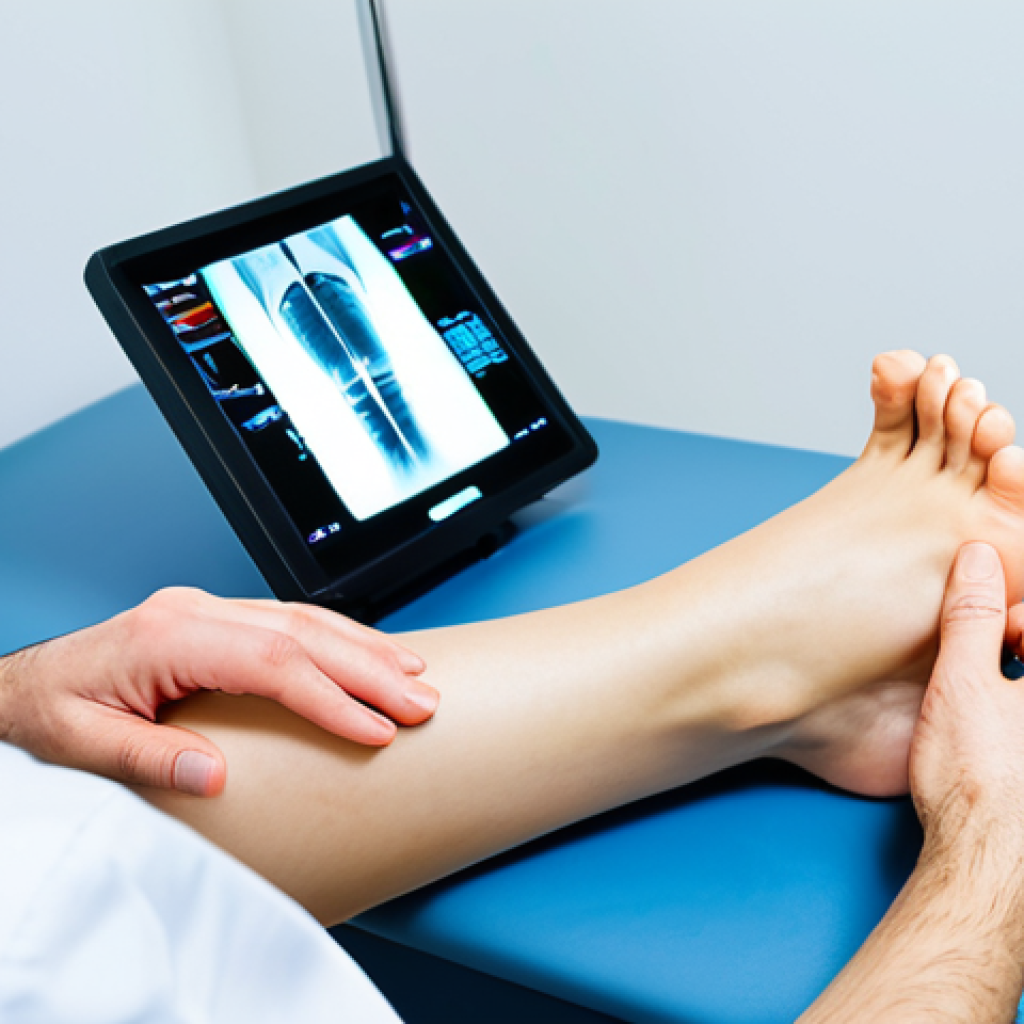
Okay, here’s a blog introduction about ankle pain and how to find a clinic. Let’s face it, a sudden twinge, a lingering ache – ankle pain can really throw a wrench in your day.
Whether you’re a seasoned marathoner or just trying to navigate the urban jungle, a bum ankle can sideline you fast. I remember when I twisted mine playing pickleball last summer; simple errands turned into Herculean tasks!
Finding the right diagnosis and treatment is crucial, but where do you even begin? The world of medical specialists can feel like a maze. With the rise of telehealth and specialized clinics, it’s more important than ever to cut through the noise and find the right medical expert.
Let’s get right to it and learn how to choose the right expert for you!
Okay, here’s a blog introduction about ankle pain and how to find a clinic. Let’s face it, a sudden twinge, a lingering ache – ankle pain can really throw a wrench in your day.
Whether you’re a seasoned marathoner or just trying to navigate the urban jungle, a bum ankle can sideline you fast. I remember when I twisted mine playing pickleball last summer; simple errands turned into Herculean tasks!
Finding the right diagnosis and treatment is crucial, but where do you even begin? The world of medical specialists can feel like a maze. With the rise of telehealth and specialized clinics, it’s more important than ever to cut through the noise and find the right medical expert.
Let’s get right to it and learn how to choose the right expert for you!
Deciphering Your Ankle Pain: What’s Really Going On?

Ankle pain isn’t a one-size-fits-all situation. It’s crucial to understand that the location and nature of your pain can provide valuable clues. Is it a sharp, stabbing pain after a sudden movement?
Or a dull ache that lingers after a long day on your feet? I remember once, after a particularly intense hike, I felt a persistent throbbing on the outer side of my ankle.
It turned out to be a minor ligament strain, but at first, I was worried it was something much worse! Pinpointing the exact location and the type of pain is the first step toward figuring out what’s really going on.
1. Common Culprits: From Sprains to Strains
Let’s break down some of the usual suspects behind ankle pain. Ankle sprains, which involve stretched or torn ligaments, are incredibly common, often resulting from sudden twists or awkward landings.
I’ve sprained my ankle more times than I care to admit playing sports! Then there are strains, which affect the muscles and tendons around the ankle. Overuse, inadequate warm-up, or even just wearing the wrong shoes can contribute to strains.
Beyond sprains and strains, consider conditions like Achilles tendinitis (inflammation of the Achilles tendon), plantar fasciitis (which can radiate pain up to the ankle), and even stress fractures, particularly if you’re an athlete who puts a lot of impact on your lower limbs.
Knowing these potential causes can help you better describe your symptoms to a healthcare professional.
2. When to Seek Immediate Medical Attention
While many cases of ankle pain can be managed with rest, ice, compression, and elevation (RICE), there are certain red flags that warrant immediate medical attention.
If you experience severe pain that prevents you from putting any weight on your ankle, or if you notice significant swelling, deformity, or numbness, don’t hesitate – seek professional help right away.
I had a friend who tried to “walk off” a suspected ankle fracture, and it only made things worse! Delaying treatment for serious injuries can lead to long-term complications and prolonged recovery times.
Trust your gut, and if something feels seriously wrong, get it checked out.
Finding Your Ankle Pain Dream Team: What Kind of Specialist Do You Need?
Navigating the world of medical specialists can feel overwhelming. Which professional is best equipped to handle your specific type of ankle pain? The answer depends on the severity and nature of your condition.
I learned this the hard way when I initially saw a general practitioner for my pickleball-related ankle issue. While they were helpful in ruling out some major concerns, they ultimately referred me to a specialist who could provide more targeted treatment.
1. Podiatrists: Foot and Ankle Experts
Podiatrists are medical professionals specializing in the diagnosis and treatment of foot and ankle conditions. They are your go-to experts for a wide range of issues, from common problems like bunions and hammertoes to more complex conditions like fractures, sprains, and arthritis affecting the feet and ankles.
I always recommend starting with a podiatrist if you’re unsure where to begin. They can conduct thorough examinations, order imaging tests like X-rays or MRIs, and develop personalized treatment plans to address your specific needs.
2. Orthopedic Surgeons: When Surgery is on the Table
Orthopedic surgeons are specialists in the musculoskeletal system, including bones, joints, ligaments, tendons, and muscles. While not every ankle problem requires surgery, an orthopedic surgeon is the right choice if you have a severe fracture, torn ligament, or other condition that may require surgical intervention.
I had a colleague who unfortunately needed ankle reconstruction after a bad sports injury, and he was incredibly grateful for the expertise of his orthopedic surgeon.
These surgeons are highly trained in performing complex procedures to restore function and alleviate pain.
3. Physical Therapists: Rehabilitation and Recovery
Physical therapists play a crucial role in ankle pain management, particularly after an injury or surgery. They develop customized rehabilitation programs to help you regain strength, flexibility, and range of motion in your ankle.
I personally swear by physical therapy! After my ankle sprain, my physical therapist taught me exercises to improve my balance and prevent future injuries.
They can also teach you proper techniques for walking, running, and other activities to minimize stress on your ankle. Think of them as your coaches for getting back on your feet (literally!).
Online Research: Your Secret Weapon for Finding the Right Clinic
In today’s digital age, online research is an invaluable tool for finding the right ankle pain clinic. A quick Google search can reveal a wealth of information about local specialists, their qualifications, patient reviews, and even virtual consultation options.
I always tell my friends to start their search online. I remember helping my mom find a great podiatrist online; it was so much easier than relying on outdated directories or word-of-mouth recommendations.
1. Website Deep Dive: Qualifications and Specialties
Once you’ve identified a few potential clinics, take a deep dive into their websites. Look for information about the doctors’ qualifications, including their medical degrees, board certifications, and any specialized training they have in ankle and foot care.
I always check if the doctor is board-certified; it gives me peace of mind knowing they’ve met rigorous standards of expertise. Also, pay attention to the clinic’s areas of expertise.
Do they specialize in sports injuries, arthritis, or other specific conditions? Make sure their focus aligns with your needs.
2. Reading Between the Lines: Deciphering Patient Reviews
Patient reviews can offer valuable insights into the quality of care provided at a particular clinic. Pay attention to both the positive and negative reviews.
Look for recurring themes, such as comments about the doctor’s bedside manner, the efficiency of the staff, or the effectiveness of the treatments. However, take online reviews with a grain of salt.
I’ve learned that some reviews can be overly positive or negative, so try to get a sense of the overall consensus.
The Consultation is Key: Asking the Right Questions
The initial consultation is your opportunity to assess whether a particular clinic is the right fit for you. Come prepared with a list of questions to ask the doctor.
This is your chance to get a clear understanding of their approach to diagnosis and treatment, and to gauge their communication style. I always tell people to write down their questions beforehand.
I once went to a consultation and completely forgot to ask about post-operative care!
1. Unveiling the Diagnosis: What’s Causing My Pain?
Start by asking the doctor to explain their diagnosis in clear, understandable terms. I hate it when doctors use complicated medical jargon that I can’t decipher!
Make sure you understand the underlying cause of your ankle pain and what factors may be contributing to it. Ask about any imaging tests or other evaluations they recommend, and why they are necessary.
A good doctor will take the time to explain everything thoroughly and answer all your questions patiently.
2. Exploring Treatment Options: What Are My Choices?
Once you understand the diagnosis, ask about the available treatment options. Are there non-surgical approaches you can try first, such as physical therapy, medication, or orthotics?
What are the potential benefits and risks of each option? If surgery is recommended, be sure to ask about the procedure itself, the recovery process, and the potential complications.
I always ask about the doctor’s experience with the specific procedure they are recommending.
The Tech Factor: Telehealth and Modern Clinic Amenities
In today’s tech-savvy world, many ankle pain clinics offer telehealth consultations and other modern amenities to enhance the patient experience. I love the convenience of telehealth!
I was able to have a virtual consultation with a physical therapist while I was traveling, which saved me a lot of time and hassle.
1. Virtual Consultations: Is Telehealth Right for You?
Telehealth consultations can be a convenient option for initial assessments, follow-up appointments, and discussing treatment plans. However, they are not always appropriate for every situation.
If you have a complex or severe ankle problem, an in-person examination may be necessary. Ask the clinic about their telehealth policies and whether a virtual consultation is suitable for your needs.
2. Beyond the Basics: Modern Clinic Amenities
Consider the clinic’s overall environment and amenities. Is the facility clean, comfortable, and well-equipped? Do they offer convenient scheduling options, online portals for accessing medical records, and other features that can make your experience smoother and more efficient?
These details may seem minor, but they can make a big difference in your overall satisfaction.
| Factor | Description | Importance |
|---|---|---|
| Doctor’s Qualifications | Medical degrees, board certifications, specialized training | High |
| Clinic’s Specialties | Focus on sports injuries, arthritis, etc. | High |
| Patient Reviews | Feedback on doctor’s bedside manner, staff efficiency, treatment effectiveness | Medium |
| Treatment Options | Non-surgical vs. surgical approaches | High |
| Telehealth Options | Availability of virtual consultations | Medium |
| Clinic Amenities | Cleanliness, scheduling options, online portals | Low |
Trust Your Gut: Finding the Right Fit
Ultimately, finding the right ankle pain clinic is a personal decision. Trust your gut feeling and choose a clinic where you feel comfortable, respected, and confident in the care you will receive.
I always tell people to listen to their intuition. If something doesn’t feel right, don’t hesitate to seek a second opinion.
1. Communication is Key: A Doctor Who Listens
Choose a doctor who takes the time to listen to your concerns, answer your questions, and explain your treatment options in a way that you understand.
Effective communication is essential for building trust and ensuring that you are an active participant in your own care.
2. Feeling Confident: Trusting Your Doctor’s Expertise
You should feel confident in your doctor’s expertise and ability to provide the best possible care for your ankle pain. Don’t hesitate to ask about their experience with similar cases and their success rates with various treatments.
Your health is too important to leave to chance. Alright, here is the conclusion, “Useful Information” section, and “Key Takeaways” section.
Wrapping Up
Dealing with ankle pain can be a real pain in the foot (pun intended!). But with the right knowledge and the right healthcare team, you can get back on your feet and back to doing what you love. Remember, it’s all about understanding your pain, finding the right specialist, and being an active participant in your own recovery. Here’s to happy, pain-free steps ahead!
Useful Tips to Know
1. Always warm up before exercise to prevent strains and sprains.
2. Wear supportive shoes that fit well, especially during physical activities.
3. Maintain a healthy weight to reduce stress on your ankles.
4. Practice balance exercises to improve ankle stability and prevent falls.
5. Consider custom orthotics if you have foot alignment issues.
Key Takeaways
Accurately identifying your ankle pain is the initial step to finding the right medical help.
Podiatrists are your best bet for general foot and ankle issues, while orthopedic surgeons handle surgical needs.
Physical therapy is vital for rehabilitation and strengthening your ankle.
Online research and asking the right questions during consultations are essential for finding the right clinic.
Trust your instincts when choosing a doctor and clinic that feels right for you.
Frequently Asked Questions (FAQ) 📖
Q: How do I know if my ankle pain is serious enough to see a specialist?
A: That’s a great question! Honestly, it’s tough to self-diagnose. If your ankle pain persists for more than a week, even with rest and over-the-counter pain relievers, it’s time to get it checked.
Other red flags include an inability to put weight on your ankle, visible swelling or bruising, numbness or tingling in your foot, or if you heard a popping sound when the injury occurred.
It’s always better to err on the side of caution and get a professional opinion to prevent further damage or chronic issues.
Q: What kind of doctor should I see for ankle pain? Podiatrist, orthopedist, sports medicine doc… I’m so confused!
A: I totally get the confusion – it can feel like alphabet soup! Generally, a podiatrist specializes in foot and ankle care. An orthopedist is a bone and joint specialist, and many have expertise in foot and ankle issues.
A sports medicine physician can be a good choice if your ankle pain is related to athletic activity. If you’re unsure, your primary care physician is always a great place to start.
They can assess your condition and refer you to the most appropriate specialist. When I sprained my ankle, my family doctor sent me to a podiatrist who was fantastic.
He diagnosed a minor ligament tear and got me back on my feet (literally!) in no time.
Q: Okay, I’m ready to find a clinic. What are some key things I should look for when choosing one?
A: Great! Choosing the right clinic can make all the difference. First, check the doctor’s credentials and experience, especially with ankle injuries.
Do they have board certification? What’s their specialization? Read online reviews to get a sense of other patients’ experiences.
Also, consider the clinic’s location and hours. Is it convenient for you to get there? Do they offer appointment times that fit your schedule?
Finally, don’t hesitate to call the clinic and ask questions about their treatment approach and fees. A good clinic will be happy to answer your questions and make you feel comfortable.
My physical therapist recommended a clinic with cutting-edge diagnostic equipment, and I’m so glad I went; it made all the difference in understanding my injury and getting the right treatment plan!
📚 References
Wikipedia Encyclopedia
구글 검색 결과
구글 검색 결과
구글 검색 결과
구글 검색 결과
구글 검색 결과