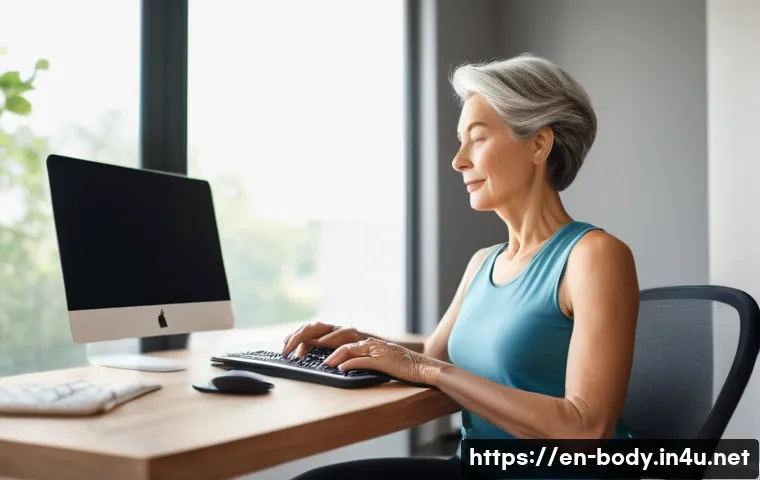
Neck pain is a common issue that can sneak up on anyone, especially with today’s heavy reliance on screens and poor posture habits. Whether it’s from long hours at the desk or stress buildup, discomfort in the neck area can really disrupt daily life.
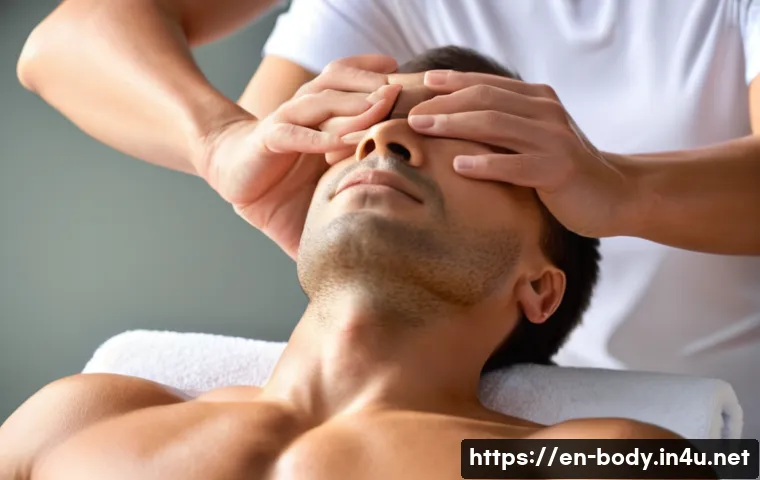
Massage therapy offers a natural and effective way to ease tension, improve circulation, and promote relaxation. Over time, incorporating simple massage techniques can reduce stiffness and even prevent future pain.
If you’ve been struggling with neck discomfort, understanding how to target those sore spots is a game-changer. Let’s dive deeper and explore the best ways to relieve neck pain through massage.
Understanding the Root Causes of Neck Discomfort
How Posture Impacts Neck Health
Most of us don’t realize just how much our daily posture affects neck tension. Sitting hunched over a computer or slouching while scrolling through your phone puts constant strain on the cervical spine and surrounding muscles.
Over time, these poor habits lead to muscle imbalances and persistent stiffness. I’ve noticed that after long workdays without breaks, my neck feels tight and sore, a clear sign that my posture needs attention.
Simply becoming more mindful of how you hold your head throughout the day can make a surprising difference.
Stress and Muscle Tension Connection
Stress doesn’t just stay in your mind—it often manifests physically, especially in the neck and shoulders. When you’re stressed, your body instinctively tightens muscles, creating knots and discomfort.
Personally, during hectic weeks, I find my neck muscles clench without me even realizing it until the pain sets in. Massage can help interrupt this tension cycle by relaxing the muscles and calming your nervous system, which is why it’s such a powerful tool for neck pain relief.
Long-Term Effects of Neglecting Neck Pain
Ignoring neck discomfort might seem harmless at first, but it can snowball into chronic problems. What starts as mild stiffness can evolve into reduced mobility, headaches, or even nerve-related symptoms like tingling.
Early intervention with massage and posture correction can prevent these issues. From experience, addressing neck pain early on has saved me from weeks of discomfort and even physical therapy later.
Techniques to Target Tension Spots Effectively
Applying Gentle Pressure to Trigger Points
Trigger points are those stubborn knots that cause referred pain and stiffness. Using your fingers or a massage tool, applying steady but gentle pressure to these spots can release muscle tightness.
I usually spend a few minutes working on the base of my skull and upper traps, and it’s amazing how much relief follows. Just make sure not to apply too much force, as that can worsen the pain.
Incorporating Circular and Kneading Motions
Circular movements with the fingertips or knuckles help improve blood flow and break down adhesions in the muscle tissue. Kneading—similar to what you feel during a professional massage—mimics this technique and promotes relaxation.
When I do this on myself, it feels like waking up the muscles and loosening up areas that feel stiff or “frozen.”
Stretching Combined with Massage
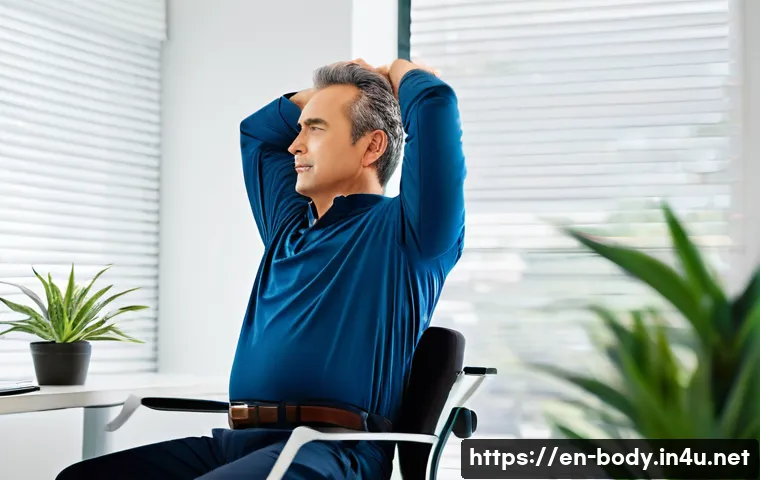
Stretching after massage amplifies the benefits by lengthening the muscles that have been worked on. For example, gentle neck tilts and rotations help maintain the improved flexibility and reduce the chance of muscles tightening up again.
I always recommend pairing massage with stretches for a more lasting effect.
Tools That Enhance Your Neck Massage Routine
Using Massage Balls and Rollers
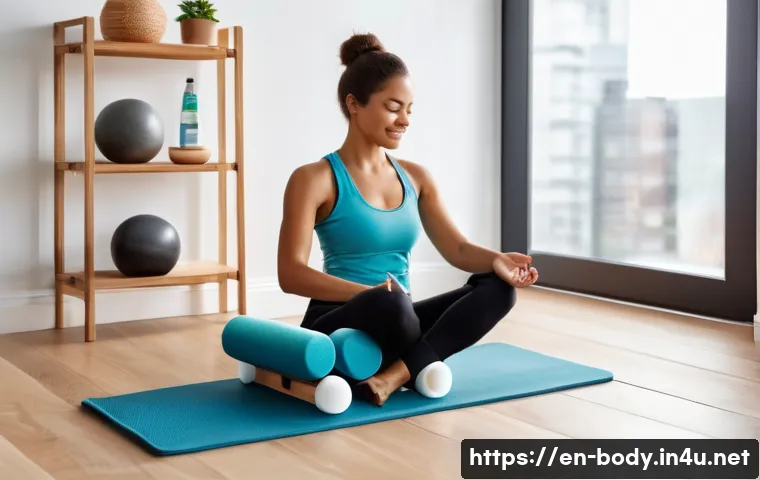
Massage balls and foam rollers are fantastic for self-massage, especially when you want to focus on hard-to-reach areas. I keep a small lacrosse ball handy for pinpointing knots around my shoulder blades and neck base.
These tools help me apply consistent pressure without straining my hands.
Electric Massagers: Pros and Cons
Electric massagers offer convenience and intensity, often with heat functions that soothe muscles further. While I find them useful after particularly stressful days, they can sometimes be too aggressive for sensitive areas.
It’s best to start slow and listen to your body when using these devices.
Heat Therapy’s Role in Relaxation
Applying warmth before or after massage helps increase blood flow and softens tight muscles. I like using a warm towel or heating pad for 10-15 minutes prior to my massage sessions.
It makes the muscle tissue more pliable and receptive to the massage.
Incorporating Massage Into Your Daily Routine
Short Sessions Throughout the Day
You don’t need a lengthy massage to feel benefits. Even just 5-10 minutes of targeted massage multiple times a day can reduce buildup of tension. I often take quick breaks during work to massage my neck and shoulders, which refreshes me and prevents stiffness.
Combining Massage with Movement
Massage works best when combined with gentle movement. After massaging a tense area, try walking around or doing light neck stretches to help the muscles relax further.
This dynamic approach helps avoid that “tight but relaxed” paradox where muscles feel loose but then tighten up again.
Setting a Consistent Schedule
Consistency is key. Making massage a habitual part of your day—even if it’s just self-massage—builds lasting relief and prevents future pain. Personally, I’ve found that scheduling short massage breaks around my workday helps me stay pain-free and more productive.
Recognizing When to Seek Professional Help
Signs That Indicate a Specialist Is Needed
While self-massage is great for mild to moderate neck discomfort, certain symptoms warrant professional evaluation. Persistent numbness, sharp radiating pain, or weakness in the arms should never be ignored.
I’ve learned to pay close attention to these red flags to avoid worsening any underlying issues.
Benefits of Seeing a Licensed Massage Therapist
Professional therapists have the training to identify deeper muscle imbalances and tailor techniques to your specific needs. When I visited a therapist for chronic neck pain, their hands-on approach and expert knowledge provided relief far beyond what I could achieve on my own.
Integrating Massage with Other Treatments
Massage can complement physical therapy, chiropractic care, or medical treatment for neck conditions. Coordinating with healthcare providers ensures a holistic approach to healing.
For me, combining massage with occasional physical therapy sessions created a balanced path to recovery.
Understanding Key Massage Techniques and Their Effects
Effleurage: The Art of Gentle Stroking
Effleurage involves smooth, gliding strokes that warm up the muscles and increase circulation. It’s usually the first step in a massage session and helps prepare the neck muscles for deeper work.
I find that starting with effleurage makes the following techniques feel much more comfortable and effective.
Petrissage: Deep Muscle Compression
This technique uses kneading and squeezing motions to loosen tight muscles and improve flexibility. It feels a bit more intense but is incredibly effective at breaking down adhesions.
After some petrissage, I often feel a significant reduction in stiffness.
Tapotement: Stimulating the Nerves
Tapotement consists of rhythmic tapping or chopping motions that awaken the muscles and nerves. It’s a great way to finish a massage session and reinvigorate the neck muscles.
I like how it leaves me feeling energized and ready to get back to my day.
Creating a Personalized Neck Massage Plan
Assessing Your Own Pain Patterns
Understanding where and when your neck pain flares up is crucial. I keep a simple journal noting activities, posture, and pain levels, which helps me tailor my massage approach.
Knowing your unique triggers allows for targeted relief rather than a generic routine.
Choosing Techniques That Suit Your Needs
Not every massage technique works equally well for everyone. Some people respond better to gentle strokes, while others need deeper pressure. Through trial and error, I’ve found a balance that works for my muscle tension and stress levels.
Adjusting Frequency Based on Lifestyle
Your massage frequency should adapt to your daily habits. On more sedentary days or during stressful periods, more frequent sessions help keep discomfort at bay.
When life is less hectic, spacing them out maintains the benefits without overwhelming your schedule.
Summary Table: Massage Techniques and Their Benefits
| Technique | Description | Best Use | Personal Experience |
|---|---|---|---|
| Effleurage | Light, gliding strokes to warm muscles | Start of massage to prepare muscles | Feels soothing and sets the tone for deeper work |
| Petrissage | Kneading and squeezing to loosen muscle knots | Breaking down stiffness and adhesions | Relieves deep tension but can feel intense |
| Tapotement | Rhythmic tapping to stimulate nerves | Ending massage to energize muscles | Leaves me feeling refreshed and awake |
| Trigger Point Pressure | Applying focused pressure to knots | Releasing specific sore spots | Highly effective but requires gentle approach |
| Heat Therapy | Applying warmth to relax muscles | Before or after massage for better results | Softens muscles, making massage more effective |
글을 마치며
Understanding the root causes of neck discomfort and applying targeted massage techniques can greatly improve your daily comfort and overall well-being. Through consistent practice and mindful posture, you can prevent chronic pain and enhance muscle relaxation. Remember, small changes and regular self-care make a significant difference. Don’t hesitate to seek professional help if symptoms persist or worsen.
알아두면 쓸모 있는 정보
1. Taking short breaks throughout the day to massage and stretch your neck can prevent tension buildup and improve circulation.
2. Using heat therapy before massage sessions helps muscles relax and makes massage more effective.
3. Paying attention to your posture, especially while using digital devices, is crucial for long-term neck health.
4. Combining massage with gentle movement and stretching enhances muscle flexibility and reduces stiffness.
5. If you experience numbness, sharp pain, or weakness, consult a healthcare professional promptly to avoid complications.
중요 사항 정리
Effective neck care requires a blend of awareness, consistent self-massage, and proper posture habits. Incorporating gentle massage techniques such as effleurage and petrissage, along with heat therapy and stretching, supports muscle health and reduces discomfort. Regularly assessing your pain patterns and adjusting your routine ensures personalized relief. Importantly, persistent or severe symptoms should prompt professional evaluation to address underlying issues safely and effectively.
Frequently Asked Questions (FAQ) 📖
Q: How often should I get a neck massage to effectively relieve pain?
A: From my experience and what many experts suggest, getting a neck massage once or twice a week can make a significant difference, especially if you’re dealing with chronic tension.
However, even short daily self-massage sessions at home can help maintain flexibility and reduce stiffness. The key is consistency—regular massages help improve blood flow and prevent the muscles from tightening up again.
If your pain is severe or linked to an injury, it’s best to consult a healthcare professional for a tailored plan.
Q: Can massage therapy completely cure neck pain caused by poor posture?
A: Massage therapy is fantastic for relieving muscle tension and improving circulation, which definitely eases neck pain related to poor posture. That said, it’s not a standalone cure.
In my experience, combining massage with posture correction exercises, ergonomic adjustments (like better chair support and screen height), and regular movement breaks leads to the best long-term results.
Think of massage as a powerful tool that helps your muscles recover and relax, but fixing posture habits is essential to prevent the pain from coming back.
Q: Are there any risks or precautions I should be aware of before trying neck massage?
A: Absolutely, it’s important to be cautious. If you have conditions like herniated discs, severe arthritis, or any kind of neck injury, certain massage techniques might aggravate your symptoms.
Personally, I always recommend starting gently and avoiding deep pressure until you know how your body responds. Also, avoid massaging directly on the spine or any inflamed areas.
When in doubt, getting advice from a licensed massage therapist or physical therapist can ensure you’re doing it safely and effectively.