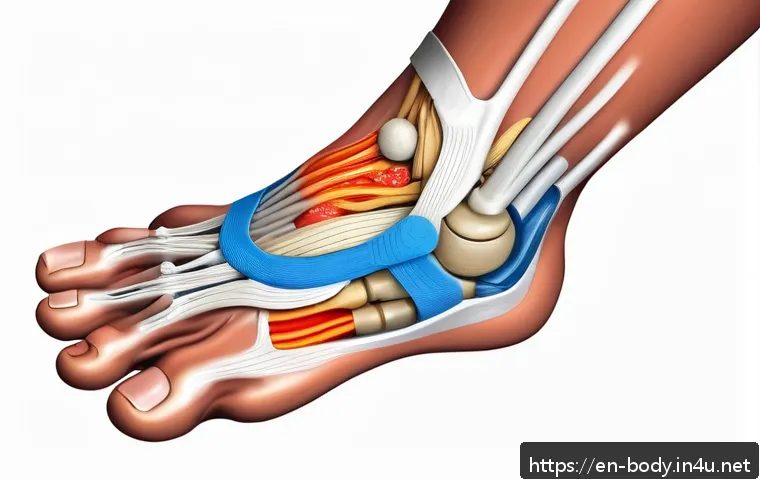
Lately, foot pain has become a common complaint as many of us juggle busy schedules and spend long hours on our feet. Whether it’s from daily strain or an underlying condition, finding effective relief is more important than ever.
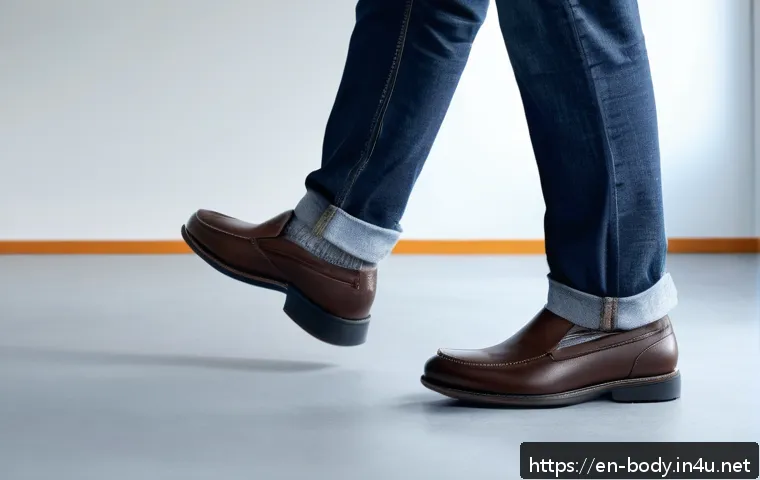
In this post, we’ll dive into the top proven treatments that can help ease your discomfort and get you back on your feet comfortably. Having tried several myself, I’m excited to share insights that blend expert advice with real-life experience.
Stick around to discover which options truly stand out in the quest for lasting foot pain relief.
Understanding the Root Causes of Foot Pain
Common Conditions Behind Foot Discomfort
Foot pain often stems from a variety of causes, ranging from simple overuse to more complex medical conditions. Plantar fasciitis, for example, is one of the most frequent culprits, characterized by inflammation of the thick band of tissue running along the bottom of the foot.
It typically causes a stabbing pain near the heel, especially noticeable in the morning or after prolonged rest. Another frequent cause is metatarsalgia, which manifests as pain in the ball of the foot, often due to excessive pressure or ill-fitting shoes.
Additionally, conditions like arthritis and nerve entrapments can contribute to chronic foot pain, making it crucial to identify the specific trigger for effective treatment.
The Impact of Lifestyle and Footwear Choices
Our daily habits play a significant role in the development or worsening of foot pain. Standing for long hours, especially on hard surfaces, puts continuous strain on foot structures.
Wearing shoes without proper support or cushioning often exacerbates this issue. High heels, narrow toe boxes, and worn-out soles can alter gait and increase pressure on sensitive areas.
Even athletes aren’t immune; repetitive impact and improper footwear during sports can lead to injuries or inflammation. Realizing how these factors contribute allows for better prevention and tailored treatment strategies that go beyond mere pain relief.
When to Seek Professional Diagnosis
While minor foot pain can sometimes be managed with home remedies, persistent or severe symptoms warrant a visit to a healthcare professional. If pain lasts more than a few weeks, intensifies despite rest, or is accompanied by swelling, redness, or numbness, it’s essential to get a thorough evaluation.
A podiatrist or orthopedic specialist can perform physical exams, imaging tests like X-rays or MRIs, and recommend targeted therapies. Early diagnosis not only prevents worsening conditions but also speeds up recovery by addressing the root cause rather than just masking the pain.
Effective Home Remedies That Actually Work
Stretching and Strengthening Exercises
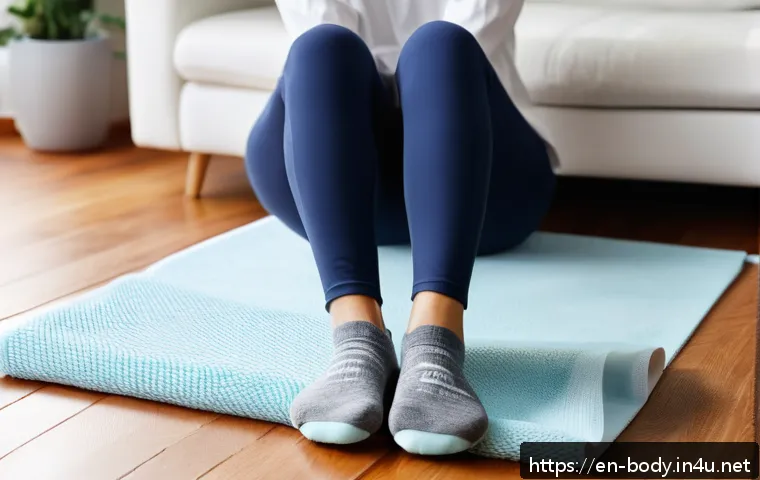
Incorporating specific stretches and foot-strengthening exercises can dramatically reduce discomfort, especially for conditions like plantar fasciitis.
Simple routines such as calf stretches, toe curls, and rolling a frozen bottle under the foot help loosen tight tissues and improve flexibility. From personal experience, dedicating just 10-15 minutes daily to these exercises made a noticeable difference within a few weeks.
They enhance blood flow and promote healing while also preventing future flare-ups by building stronger, more resilient foot muscles.
Cold and Heat Therapy: When and How to Use Them
Alternating between ice packs and warm compresses can provide significant relief. Ice helps reduce inflammation and numb sharp pain immediately after activity or injury.
On the other hand, heat therapy relaxes muscles and improves circulation, which is especially useful before stretching exercises. I found that applying ice for 15-20 minutes post-walk and heat before bedtime eased soreness and improved sleep quality.
Remember to always wrap ice packs in a towel to prevent skin damage and avoid prolonged heat exposure that might aggravate swelling.
Choosing the Right Over-the-Counter Pain Relief
Nonsteroidal anti-inflammatory drugs (NSAIDs) like ibuprofen or naproxen are widely used for managing foot pain. They can reduce both pain and inflammation effectively when taken as directed.
However, it’s important to balance their use with natural therapies to avoid dependency or side effects. Topical analgesics containing menthol or capsaicin can also offer localized relief without systemic impact.
Based on my experience, combining these with gentle exercise and rest provided a well-rounded approach that minimized discomfort without overreliance on medication.
Orthotic Solutions and Footwear Adjustments
The Benefits of Custom Orthotics
Custom-made orthotics, designed to fit your unique foot shape and support needs, can be a game changer for chronic pain sufferers. They help redistribute pressure evenly, correct abnormal gait patterns, and provide cushioning exactly where it’s needed.
While over-the-counter insoles offer some relief, nothing beats the tailored fit that a podiatrist-prescribed orthotic provides. From what I’ve seen firsthand, investing in custom orthotics often leads to long-term improvement and reduces the risk of recurring pain episodes significantly.
Selecting Shoes That Promote Comfort and Support
Proper footwear is foundational for foot health. Shoes with a wide toe box, sturdy arch support, and shock-absorbing soles can prevent many common foot problems.
Avoiding flip-flops or completely flat shoes for extended periods is crucial since they offer minimal support. Brands specializing in comfort or orthopedic footwear often incorporate these features, but it’s always best to try on shoes later in the day when feet tend to swell for the most accurate fit.
I recommend replacing shoes regularly, as worn-out soles and insoles lose their protective qualities quickly.
When Night Splints and Braces Can Help
For some conditions like plantar fasciitis, night splints keep the foot in a dorsiflexed position, stretching the plantar fascia during sleep. This prevents morning stiffness and reduces pain spikes that can disrupt daily activities.
Similarly, ankle braces offer stability and limit harmful movements in cases of tendonitis or ligament injuries. Though they might feel restrictive initially, consistent use as prescribed can accelerate healing and support gradual return to normal function.
Physical Therapy and Advanced Treatment Options
Manual Therapy and Ultrasound Treatments
Physical therapists employ various hands-on techniques to relieve foot pain, including massage, joint mobilization, and myofascial release. These methods improve tissue flexibility, reduce scar tissue, and alleviate tightness.
Ultrasound therapy, which uses sound waves to promote circulation and tissue repair, is another effective modality. Having undergone physical therapy myself for persistent heel pain, I can attest that these combined approaches greatly enhanced my recovery speed and overall comfort.
Shockwave Therapy and Its Growing Popularity
Extracorporeal shockwave therapy (ESWT) is gaining traction as a non-invasive option for stubborn foot pain conditions. It involves delivering acoustic waves to the affected area, stimulating healing and reducing inflammation.
Clinical studies support its effectiveness, especially when conventional treatments fall short. Personally, I’ve encountered several people who experienced notable improvement after just a few sessions, making it a promising alternative worth exploring with a specialist.
Surgical Interventions: When They Become Necessary
Though surgery is generally a last resort, certain cases require it to correct structural abnormalities or remove damaged tissue. Procedures vary from minimally invasive techniques to more extensive reconstruction, depending on the diagnosis.
It’s crucial to have a detailed discussion with your doctor about the risks, benefits, and expected recovery timeline. In my experience consulting others, surgery often leads to significant relief but demands patience during rehabilitation to regain full function.
Comparing Popular Foot Pain Treatments: Pros and Cons
| Treatment | Effectiveness | Cost | Time to Relief | Potential Drawbacks |
|---|---|---|---|---|
| Stretching Exercises | Moderate to High | Free to Low | Weeks to Months | Requires consistency and proper technique |
| Cold/Heat Therapy | Moderate | Low | Immediate to Days | Temporary relief, not a cure |
| Custom Orthotics | High | Moderate to High | Weeks | Initial discomfort, cost |
| Physical Therapy | High | Moderate to High | Weeks to Months | Time commitment, cost |
| Shockwave Therapy | Moderate to High | High | Weeks | Limited availability, cost |
| Surgery | High (in select cases) | Very High | Months | Risks, recovery time |
Incorporating Lifestyle Changes for Long-Term Relief
Weight Management and Its Role in Reducing Foot Stress
Carrying extra body weight significantly increases pressure on the feet, accelerating wear and tear on joints and soft tissues. By adopting a balanced diet and regular exercise routine, many people find their foot pain diminishes noticeably.
From personal observation, even modest weight loss can ease symptoms and improve mobility, making everyday activities less painful and more enjoyable.
Mindful Movement and Activity Modification
Adjusting daily activities to reduce foot strain can make a huge difference. This might mean taking regular breaks when standing, avoiding high-impact sports during flare-ups, or switching to low-impact exercises like swimming or cycling.
Listening to your body’s signals rather than pushing through pain often prevents setbacks and supports steady improvement. I’ve learned that pacing myself and mixing up my workouts keeps my feet healthier in the long run.
Stress Reduction and Its Unexpected Impact on Pain
Stress can exacerbate pain perception by increasing muscle tension and inflammation throughout the body. Incorporating relaxation techniques such as meditation, deep breathing, or gentle yoga can help manage pain indirectly by calming the nervous system.
I found that combining mental wellness practices with physical care created a more holistic approach that improved not just my foot pain but overall quality of life.
Choosing the Best Approach for Your Foot Pain
Trial and Error: Finding What Works for You
There’s no one-size-fits-all solution for foot pain, and what works brilliantly for one person might be less effective for another. The key is to stay patient and willing to try different methods, keeping track of what helps and what doesn’t.
From my journey, combining multiple treatments tailored to my specific symptoms yielded the best outcomes. Regular reassessment and adjustments ensure that relief is both effective and sustainable.
Consulting Experts for Personalized Care
While self-care is important, consulting healthcare providers ensures that treatment is based on accurate diagnosis and expert guidance. Specialists can recommend the most appropriate interventions and monitor progress, preventing complications.
I’ve found that building a collaborative relationship with my podiatrist gave me confidence and clarity in managing my foot pain, avoiding unnecessary frustration.
Staying Motivated Through the Healing Process
Managing foot pain often requires time and dedication, which can feel discouraging at times. Setting small, achievable goals and celebrating progress helps maintain motivation.
Sharing experiences with support groups or friends facing similar issues also provides encouragement and practical tips. Personally, acknowledging even minor improvements kept me optimistic and committed to my recovery path.
Conclusion
Foot pain can be complex, but understanding its causes and exploring various treatment options empowers you to take control of your healing journey. Combining lifestyle changes, proper footwear, and professional care often leads to the best results. Remember, patience and consistency are key to overcoming discomfort and regaining mobility.
Helpful Information to Keep in Mind
1. Early intervention can prevent minor foot issues from becoming chronic problems.
2. Consistent stretching and strengthening exercises enhance foot resilience over time.
3. Choosing the right shoes tailored to your foot shape reduces unnecessary strain and pain.
4. Balancing rest with appropriate physical therapy accelerates recovery effectively.
5. Managing stress and maintaining a healthy weight contribute significantly to long-term foot health.
Key Takeaways
Identifying the root cause of foot pain is essential for effective treatment—whether it’s related to footwear, lifestyle, or medical conditions. Incorporating home remedies alongside professional guidance offers a balanced approach that minimizes discomfort without overreliance on medication. Finally, staying motivated through small milestones and expert support ensures sustainable healing and improved quality of life.
Frequently Asked Questions (FAQ) 📖
Q: uestionsQ1: What are the most effective home remedies for foot pain relief?
A: Based on my experience and expert recommendations, some of the best home remedies include soaking your feet in warm Epsom salt water, applying ice packs to reduce inflammation, and doing gentle stretching exercises to improve flexibility.
Wearing supportive shoes and using cushioned insoles can also make a huge difference. I found that combining these approaches consistently eased my discomfort more than relying on just one method.
Q: When should I see a doctor for my foot pain?
A: If your foot pain persists beyond a few weeks despite home treatment, worsens over time, or is accompanied by swelling, redness, numbness, or difficulty walking, it’s important to consult a healthcare professional.
Persistent pain could signal underlying issues like plantar fasciitis, stress fractures, or nerve problems that require proper diagnosis and targeted treatment.
Q: Can lifestyle changes help prevent foot pain in the long run?
A: Absolutely. From personal experience, making small but consistent changes—like maintaining a healthy weight to reduce pressure on your feet, choosing well-fitted shoes with good arch support, and taking regular breaks to rest your feet during long periods of standing—can prevent many common causes of foot pain.
Incorporating foot-strengthening exercises into your routine also helps build resilience and reduces the risk of future pain.