A gentle self-massage routine may temporarily ease everyday low-back tightness for some people when it focuses on surrounding muscles rather than the spine itself.
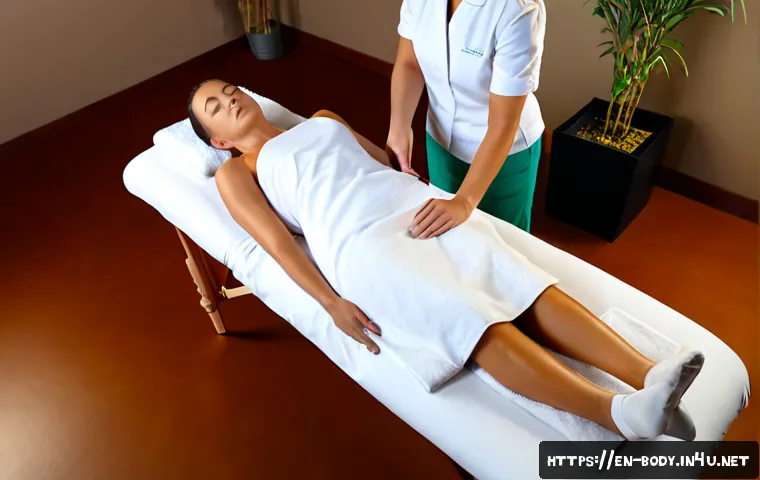
Avoid aggressive pressure, stop if symptoms feel sharp, radiating, numb, or worse, and seek prompt evaluation for red-flag symptoms. This approach is most relevant for desk workers, active adults, and caregivers dealing with uncomplicated stiffness after sitting, activity, or repeated physical tasks.
A massage ball, foam roller, percussion device, or ergonomic office upgrade can be useful only if it matches your comfort, control needs, and routine.
No tool can identify the cause of pain or replace an assessment for persistent, recurring, or limiting symptoms. The goal is a simple reset routine combined with regular movement and better daily positioning.
At a Glance
- Gentle self-massage may help with temporary muscle tightness, especially around the glutes, hips, and mid-back.
- Avoid direct pressure on the spine and do not force pressure into painful areas.
- New bowel or bladder changes, groin numbness, severe weakness, fever, or pain after significant trauma needs prompt medical evaluation.
| Option | Control | Best Use | Cost Consideration | Cautions |
|---|---|---|---|---|
| Hands | High control | Gentle pressure on glutes, hips, and muscles beside the spine | Usually no equipment purchase | Can be difficult to reach some areas comfortably |
| Massage ball | Moderate to high control | Targeted work on a wall or floor, especially around the hips and glutes | Often a simple at-home tool option; compare material and size | Too much body weight can create excessive pressure |
| Foam roller | Moderate control | Broader work for hips, glutes, and mid-back | Compare density, size, and storage needs | Do not roll directly over the lower-back spine |
| Percussion device | Variable control | Regular at-home use on larger surrounding muscles | Compare intensity, reach, noise, portability, and safety features | Do not use maximum intensity or press directly over the spine |
What a Safe Back-Relief Routine Can—and Cannot—Do
Three Quick Takeaways Before You Begin
A self-massage routine can be a practical comfort measure when your symptoms feel like ordinary muscular tightness or soreness. It may help you notice tense areas and create a short pause before returning to walking, work, or gentle mobility. It does not diagnose the cause of low-back pain, and it does not treat every possible source of symptoms. Low-back pain can relate to muscle strain, reduced activity, prolonged sitting, or underlying medical conditions.
Areas to Massage Gently and Areas to Avoid
For everyday stiffness, focus on the muscles that commonly support the low back: the glutes, outer hips, upper hip area, and mid-back. Use light, controlled pressure and stay on soft tissue. Avoid pressing directly onto the bony spine, and avoid forcing pressure into any area that feels distinctly painful. “More pressure” is not automatically better pressure.
Stop Signs That Mean Self-Massage Is Not the Right Next Step
Stop the routine if discomfort becomes sharp, travels down a leg, produces numbness, or clearly worsens. Seek prompt medical evaluation for new bowel or bladder changes, numbness around the groin, severe weakness, fever, or pain after significant trauma. Persistent, recurrent, or worsening pain also deserves a conversation with a licensed clinician who can assess your situation and recommend an individualized plan.
Compare Self-Massage Options Before You Buy or Book
Hands, Massage Balls, Foam Rollers, and Percussion Devices
Your best option depends less on marketing claims and more on control, reach, comfort, and how often you expect to use it. Hands offer the most immediate feedback: you can reduce pressure the moment an area feels sensitive. A massage ball is useful for targeted work against a wall, where you can control how much weight you add. A foam roller covers larger areas but can be awkward for precise spots. A percussion device may suit regular home use, but its speed and force require extra restraint.
Typical Cost Ranges and Value for Occasional Versus Frequent Use
Prices for massage tools, ergonomic seating, professional massage, and physical therapy vary by product, location, provider, insurance coverage, and service details. Rather than choosing by price alone, consider whether the tool solves a real routine problem. For occasional tightness, a simple option with easy pressure control may be enough. For frequent use, compare durability, noise, portability, reach, intensity settings, and return or warranty terms where available. A higher-priced device is not automatically a better fit.
When a Licensed Massage Therapist or Physical Therapist May Offer Better Value
A professional session may be more useful than another home device when pain keeps returning, limits work or exercise, or leaves you unsure what movements are appropriate. A licensed clinician can assess persistent or worsening symptoms and help shape an individualized plan. Before booking, confirm the provider’s qualifications, the scope of the appointment, local availability, and any insurance or out-of-pocket details directly with the provider or insurer.
A Gentle 10-Minute Routine for Everyday Low-Back Tension
Step 1: Warm Up With Easy Walking and Breathing
Begin with a short, easy walk in a comfortable space. Let your arms move naturally and keep your breathing relaxed. This step is not about pushing through pain; it is simply a transition away from prolonged sitting or a fixed position. Gentle movement and regular position changes are commonly recommended over prolonged bed rest for uncomplicated back discomfort.
Step 2: Release Surrounding Muscles—Glutes, Hips, and Mid-Back
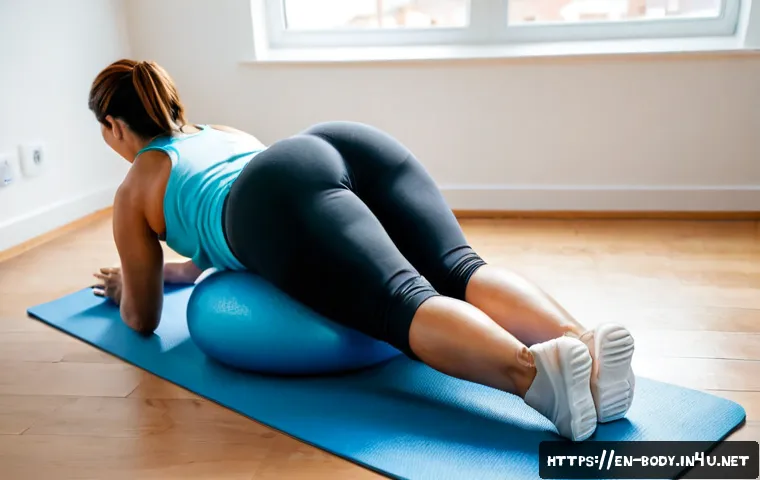
Use your hands or a massage ball with light pressure on the glutes and outer hip muscles. A wall can make this easier to control than the floor. If using a foam roller, work gradually over the glutes and hips rather than rolling over the lower back. For the mid-back, stay comfortable and avoid forcing the body into a position that creates pain.
Step 3: Use Controlled Pressure Beside, Not on, the Spine
If you can comfortably reach the muscles beside the spine, use gentle contact rather than deep digging. With a percussion device, begin at the lowest comfortable setting and keep the device moving over surrounding muscle tissue. Do not place it directly over spinal bones. If you cannot control the angle, force, or reach safely, choose hands, a wall-based massage ball, or no device at all.
Step 4: Finish With Comfortable Mobility Movements
End with easy movements that do not provoke symptoms, such as relaxed standing shifts, a short walk, or gentle motion through a comfortable range. The point is to avoid staying locked in one posture after the routine. If a movement causes sharp pain, radiating symptoms, numbness, or increasing discomfort, stop rather than trying to stretch through it.
Common Mistakes That Can Make Symptoms Worse
Pressing Directly on the Spine or Using Maximum Device Speed
Direct spinal pressure can aggravate symptoms. This is especially relevant with a hard roller or percussion device, where intensity can build quickly. Use a lower setting, lighter contact, and shorter exposure if you use a device at all. A tool should feel manageable, not like something you need to endure.
Treating Sharp, Radiating, or Numb Sensations Like Ordinary Tightness
Ordinary muscle tightness is not the same as sharp pain, pain that travels, or numbness. Self-massage is not a way to test whether serious symptoms will disappear. Treat those signs as a reason to stop and consider clinical assessment, particularly when symptoms are new, recurrent, worsening, or function-limiting.
Relying on Massage While Ignoring Workstation and Activity Habits
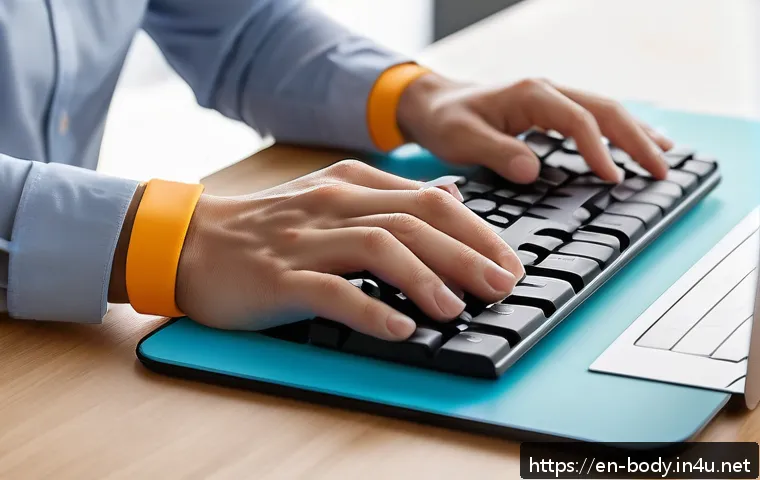
Massage may feel helpful in the moment, but repeated strain can continue if your day is built around long, unchanged positions. Look at chair support, screen placement, keyboard reach, and how often you stand or walk. An ergonomic office setup does not need to be complicated; the key is finding a workable position and changing it regularly.
Adjust the Plan for Desk Work, Exercise, and Physical Tasks
Short Reset Breaks for Long Sitting Days
For desk work, use brief movement breaks as a prevention habit rather than waiting until stiffness is intense. Stand, walk a little, change position, and let your back move comfortably. If you are comparing ergonomic seating or desk accessories, prioritize adjustability, fit for your workspace, and whether the setup makes regular position changes easier.
Post-Workout Soreness Versus Pain That Needs a Pause
After exercise, gentle self-massage may be reasonable for familiar muscle soreness if it feels comfortable and does not increase symptoms. Pain that is sharp, radiating, numb, or progressively worse is different from routine soreness. In that case, pause the massage routine and consider a licensed assessment rather than increasing intensity.
Lifting and Household-Task Habits That Reduce Repeated Strain
Repeated household tasks and caregiving can keep the same muscles working for long periods. Break tasks into smaller portions when possible, change sides or positions, and avoid treating discomfort as a signal to push harder. A brief walk or gentle reset between tasks may be more useful than one long, aggressive massage session afterward.
Choosing the Right Next Step: Tool, Ergonomic Upgrade, or Professional Care
A Simple Decision Checklist Based on Frequency, Severity, and Budget
Choose the next step based on the problem you actually have. If tightness is occasional and clearly improves with gentle movement, hands or a basic massage ball may offer enough control. If you expect regular at-home use, compare massage tool features such as intensity range, reach, noise, portability, and safety guidance. If prolonged sitting is the repeated trigger, an ergonomic chair adjustment or workstation change may be more relevant than a stronger device. If pain recurs, worsens, or limits daily life, consider a licensed assessment.
Questions to Ask Before Buying a Device or Booking a Session
Ask: Can I comfortably control this tool? Will I use it on surrounding muscles rather than directly on the spine? Does it fit my home, travel, or work routine? What safety instructions and return terms are provided? For professional services, ask about credentials, assessment approach, appointment scope, availability, and local payment or insurance arrangements.
When Clinical Evaluation Should Come Before Any Massage Routine
Clinical evaluation should come first when there are red-flag symptoms, pain after significant trauma, severe weakness, fever, new bowel or bladder changes, or numbness around the groin. It is also a sensible next step when symptoms persist, return repeatedly, worsen, or interfere with normal activities. A clinician can help distinguish whether self-care is appropriate and what plan is suitable for your individual situation.
Selection Criteria and Comparison Summary
Before spending money or time, check these points: symptom type (ordinary tightness versus warning signs), pressure control, where you can safely reach, how often symptoms return, and whether workstation habits may be contributing. Compare tool features if you need regular at-home use. Consider a licensed assessment for recurring or limiting pain. For product specifications, service credentials, local pricing, and coverage details, check the relevant official product, provider, or insurer page.
In Closing
A calm, gentle routine can be a useful part of managing everyday low-back tightness. Keep the focus on surrounding muscles, easy movement, and regular position changes rather than forceful pressure. A tool is optional, not essential. When symptoms are persistent, worsening, or unusual, professional assessment is a better next step than trying to massage harder.
Useful Things to Know
1. Low-back discomfort can have more than one cause, so the same routine will not suit everyone.
2. Regular movement and position changes can matter as much as the massage method.
3. Control and comfort are more important selection criteria than maximum device power.
4. Local professional service pricing and insurance coverage need direct confirmation.
Important Notes
This article provides general information, not a diagnosis or individualized treatment plan. The appropriate pressure, duration, frequency, massage tool, therapist, and exercise plan depend on the person and the cause of symptoms. Stop self-massage if symptoms worsen or feel sharp, radiating, or numb, and seek prompt medical evaluation for red-flag symptoms.
Frequently Asked Questions
Q1. Is self-massage safe for lower-back tightness?
A1. It may be reasonable for some people with everyday muscular tightness when pressure is gentle and focused on surrounding muscles such as the glutes, hips, and mid-back. Avoid direct spinal pressure and stop if symptoms become sharp, radiating, numb, or worse.
Q2. Is a massage gun worth buying for recurring low-back tension?
A2. It depends on whether you need regular at-home use and can operate the device with good control. Compare intensity settings, reach, noise, portability, and safety guidance. A massage gun does not diagnose the cause of recurring pain, so recurring or limiting symptoms may warrant a licensed assessment.
Q3. How much does professional massage or physical therapy for back pain typically cost?
A3. Pricing varies by location, provider, appointment details, and insurance coverage. Confirm current fees, coverage, and availability directly with the provider and your insurer where applicable.
Q4. Should I use a foam roller directly on my lower back?
A4. Avoid rolling directly over the lower-back spine. If you use a foam roller, focus on surrounding areas such as the glutes, hips, and mid-back, using controlled and comfortable pressure.
Q5. When should back pain be checked by a healthcare professional?
A5. Seek prompt evaluation for new bowel or bladder changes, numbness around the groin, severe weakness, fever, or pain after significant trauma. Persistent, recurrent, worsening, or activity-limiting pain should also be assessed by a licensed clinician.