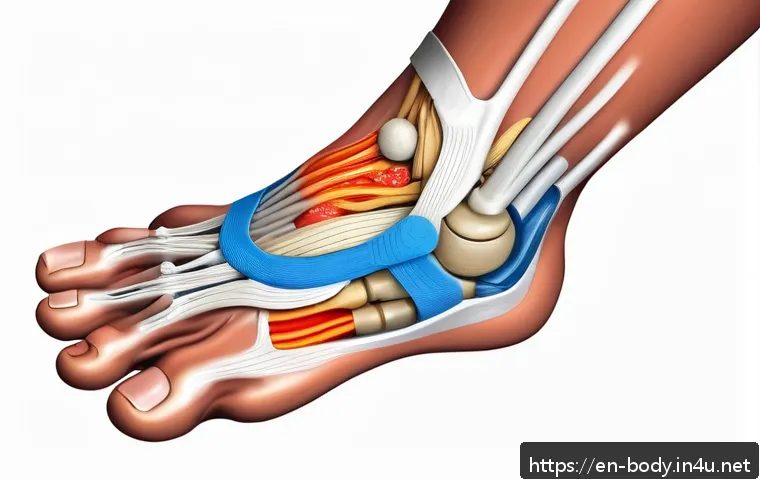
Dealing with shoulder pain or injury can be incredibly frustrating, especially when it disrupts your daily routine or favorite activities. Finding the right rehabilitation center is crucial to ensure proper recovery and regain full mobility.
With so many options out there, choosing a facility that combines expert care, personalized treatment plans, and advanced therapy techniques can make all the difference.
Whether you’re recovering from surgery, a sports injury, or chronic discomfort, specialized shoulder rehab centers offer tailored solutions to speed up healing and prevent future issues.
If you want to know how to pick the best place for your shoulder recovery journey, let’s dive into the details below!
Understanding the Importance of Specialized Shoulder Rehabilitation
Why Shoulder Injuries Need Targeted Rehab
Shoulder injuries are notoriously tricky because the shoulder joint is incredibly complex and highly mobile. Unlike simpler joints, the shoulder involves multiple muscles, tendons, and ligaments working in unison.
When any part of this system is injured, improper rehabilitation can lead to lingering pain, stiffness, or even long-term mobility issues. From my personal experience, I noticed that generic physical therapy just didn’t cut it after my rotator cuff strain.
Specialized rehab centers focus exclusively on shoulder mechanics, which means their protocols are tailored to restore not just strength but also flexibility and coordination.
This targeted approach speeds up recovery and reduces the chances of reinjury.
How Personalized Treatment Plans Make a Difference
One size definitely does not fit all when it comes to shoulder rehab. Everyone’s injury is unique, and so is their lifestyle and healing capacity. A top-notch rehab center will start with a thorough assessment—taking into account your injury history, pain levels, and daily activity requirements.
From there, they craft a customized plan that blends manual therapy, therapeutic exercises, and sometimes cutting-edge modalities like ultrasound or electrical stimulation.
I found that having a plan that adapted as I progressed was crucial. It kept me motivated and ensured steady improvement without setbacks, something I didn’t get from cookie-cutter programs.
Advanced Therapy Techniques Worth Seeking Out
The landscape of shoulder rehab has evolved a lot over the years. Centers that invest in the latest equipment and techniques often deliver superior outcomes.
For example, proprioceptive training, which enhances your joint awareness, is now a staple in many specialized programs. This helps rebuild the neural pathways that control shoulder movement, reducing pain and improving function.
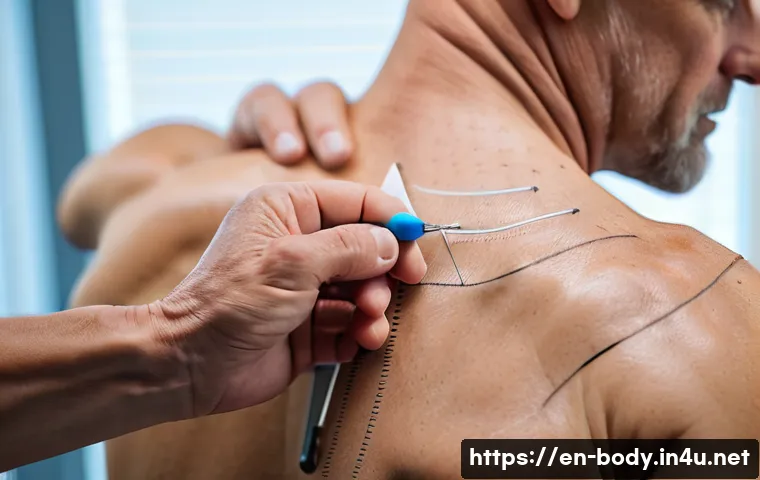
Another technique I saw firsthand was dry needling combined with manual therapy, which helped release stubborn muscle tightness quicker than traditional methods.
When choosing a center, asking about their therapy technologies and how they integrate them into treatment can be a game-changer.
Key Features to Look for in a Shoulder Rehab Facility
Expertise and Credentials of the Care Team
Experience truly matters when it comes to shoulder rehab. Look for centers staffed by physical therapists or sports medicine specialists with advanced certifications in orthopedic or musculoskeletal rehab.
I’ve found that therapists who regularly treat shoulder injuries bring a deeper understanding of complex cases and can anticipate challenges before they arise.
A reputable center will proudly share their team’s credentials and ongoing training efforts. This kind of expertise not only builds trust but also means you’re in capable hands throughout your recovery journey.
Comprehensive Evaluation and Progress Tracking
A thorough initial evaluation sets the foundation for effective rehab. Good centers use a combination of physical assessments, imaging reviews, and functional tests to pinpoint the exact nature of your injury.
Equally important is ongoing progress tracking—regular check-ins help adjust your program based on how your shoulder responds. I remember feeling reassured knowing my therapist updated my exercises after every session based on my feedback and objective improvements.
This dynamic approach avoids plateaus and keeps the rehab process efficient and engaging.
Patient-Centered Environment and Support
Recovering from a shoulder injury can be mentally draining, especially when progress feels slow. The best facilities foster a supportive atmosphere where patients feel heard and motivated.
During my rehab, the team’s encouragement and willingness to answer my questions made a huge difference in sticking to the plan. Look for centers that offer education sessions, pain management advice, and sometimes even mental health support.
Feeling genuinely cared for can accelerate your healing mindset and overall experience.
How Technology Enhances Shoulder Rehabilitation Outcomes
Utilizing Motion Analysis and Biofeedback
Modern rehab centers often incorporate motion analysis systems that track shoulder movement in real time. These tools provide visual feedback on your form, helping both therapist and patient identify faulty movement patterns.
I personally found this eye-opening—seeing exactly how my shoulder moved helped me adjust my technique during exercises. Biofeedback not only improves precision but also reduces compensatory movements that can cause secondary injuries.
Incorporating Telehealth and Digital Tools
Especially in recent years, telehealth has become an important part of physical therapy. Some shoulder rehab centers now offer remote monitoring and virtual check-ins, allowing you to continue your program with professional guidance from home.
This flexibility is a lifesaver for busy individuals or those with mobility issues. Apps that track your exercise completion and provide reminders also help maintain consistency.
From my experience, having digital support alongside in-person visits kept me accountable and boosted my confidence in managing my recovery independently.
Advanced Modalities: Shockwave, Laser Therapy, and More
Many specialized centers integrate advanced modalities like extracorporeal shockwave therapy or low-level laser therapy into their treatment plans. These approaches can accelerate tissue healing and reduce inflammation faster than conventional methods alone.
When I used shockwave therapy during my recovery, I noticed a quicker reduction in pain and improved range of motion within weeks. If you’re considering a rehab center, ask about these options as they might offer you that extra boost toward a full recovery.
Comparing Rehabilitation Services: What Each Facility Typically Offers
| Service | Basic Physical Therapy Clinics | Specialized Shoulder Rehab Centers | Sports Medicine Facilities |
|---|---|---|---|
| Initial Assessment | General evaluation | Comprehensive shoulder-specific evaluation with imaging review | Sports injury-focused, includes biomechanical analysis |
| Therapy Techniques | Standard exercises and manual therapy | Advanced manual therapy, proprioceptive training, dry needling | Integrates rehab with performance optimization |
| Technology Use | Basic equipment | Motion analysis, biofeedback, shockwave, laser therapy | High-tech diagnostics and recovery tools |
| Staff Expertise | General physical therapists | Orthopedic-certified therapists specializing in shoulder | Multidisciplinary team including orthopedic surgeons and therapists |
| Patient Support | Standard follow-up | Personalized education, mental health support, telehealth options | Integrated care with nutrition and mental coaching |
Evaluating Patient Reviews and Success Stories
Why Real Experiences Matter
Reading patient reviews and success stories can give you insights that go beyond what a rehab center’s website promises. Personal accounts often reveal how well the staff communicates, how effective the treatments are, and the overall atmosphere of the facility.
I always check multiple review platforms to get a balanced view. Hearing about others’ journeys helps set realistic expectations and can guide you toward centers with proven track records.
Spotting Red Flags in Feedback
Not all reviews are created equal, and sometimes negative feedback can highlight important concerns. Watch out for consistent complaints about long wait times, poor communication, or lack of individualized care.
In my case, I avoided a clinic after several patients mentioned the therapists didn’t tailor treatments, which was a dealbreaker for me. Pay attention to how the facility responds to criticism—it’s a good indicator of their commitment to patient satisfaction.
Using Testimonials to Gauge Treatment Effectiveness

Success stories that detail specific improvements—like regained range of motion, pain relief, or return to sports—are particularly valuable. These narratives often include how long recovery took and what therapies were most helpful.
When I was choosing my rehab center, testimonials about customized protocols and attentive care helped me narrow down my options. Don’t hesitate to contact centers to ask for references or patient outcomes; many are happy to share.
Insurance, Costs, and Accessibility Considerations
Understanding Coverage for Shoulder Rehab
Insurance policies vary widely in terms of what they cover for physical therapy and specialized rehab services. It’s crucial to verify whether the center accepts your insurance and which treatments are reimbursed.
From my experience, some advanced modalities like shockwave therapy might be out-of-pocket expenses. Clarifying these details upfront can prevent surprises and help you budget effectively for your recovery.
Balancing Cost with Quality
While it’s tempting to go for the cheapest option, quality rehab often requires investment. Centers that offer personalized care, cutting-edge technology, and expert staff tend to charge more, but the payoff is a smoother, quicker recovery.
I personally opted to pay a bit extra for a specialized center because the risk of prolonged pain or reinjury wasn’t worth saving money initially. Consider this an investment in your long-term shoulder health.
Location and Convenience Matter
Frequent visits are a big part of shoulder rehab, so proximity and flexible scheduling can make or break your adherence to the program. I found that choosing a center near my workplace with evening appointments helped me stay consistent without disrupting my daily routine.
Some facilities also offer home visits or hybrid models combining in-person and virtual sessions, which can be a huge convenience factor.
Integrating Lifestyle and Home Care into Rehabilitation
Daily Habits That Support Healing
Rehab doesn’t stop when you leave the clinic. The habits you cultivate at home—like proper posture, avoiding repetitive strain, and ergonomic adjustments—play a huge role in your shoulder’s recovery.
I learned the hard way that ignoring these factors can slow progress or cause flare-ups. Specialized centers often provide detailed home exercise programs and advice on lifestyle tweaks that complement therapy.
Importance of Consistent Home Exercises
Doing your prescribed exercises consistently outside of therapy sessions is critical. I found the difference between a sluggish recovery and a speedy one was often about how diligently I stuck to my routine.
Specialized rehab centers usually provide clear instructions, videos, or apps to guide you through home workouts, making it easier to stay on track and avoid mistakes that might exacerbate your injury.
Nutrition and Sleep for Optimal Recovery
Supporting your body’s healing process through good nutrition and adequate rest is often overlooked but incredibly important. Anti-inflammatory foods, proper hydration, and quality sleep all contribute to tissue repair and pain reduction.
Some rehab centers include nutrition counseling or partner with dietitians to offer a holistic approach. I noticed my shoulder felt less stiff and my energy improved when I paid closer attention to these aspects during rehab.
Recognizing When to Seek Advanced or Surgical Intervention
Signs Your Injury Needs More Than Rehab
Not all shoulder pain can be resolved with rehab alone. If you experience persistent severe pain, significant weakness, or loss of function despite diligent therapy, it may be time to consult an orthopedic specialist.
I remember a friend who delayed surgery too long and ended up with chronic issues that could have been avoided. Early identification of red flags can prevent worsening damage and improve surgical outcomes if needed.
Working With a Multidisciplinary Team
In some cases, shoulder rehab involves collaboration between physical therapists, orthopedic surgeons, and pain management specialists. A good rehab center will coordinate care with your medical providers to ensure a seamless treatment plan.
This teamwork approach was invaluable in my recovery, especially when adjusting therapy after a minor procedure. It ensures all aspects of your shoulder health are addressed comprehensively.
Preparing for Post-Surgical Rehabilitation
If surgery is recommended, choosing a rehab center experienced in post-operative shoulder care is essential. These programs focus on protecting healing tissues while gradually restoring strength and mobility.
I found that centers with specific post-surgical protocols helped me regain confidence faster and minimized the risk of complications. They also provided emotional support during what can be a challenging phase of recovery.
In Conclusion
Specialized shoulder rehabilitation is essential for effective recovery and long-term joint health. Tailored treatment plans, expert care, and advanced technologies make a significant difference in restoring strength, flexibility, and function. By choosing the right facility and committing to your rehab journey, you can overcome shoulder injuries with confidence and minimize the risk of reinjury.
Useful Information to Keep in Mind
1. Personalized rehab programs adapt to your unique injury and progress, boosting motivation and results.
2. Advanced techniques like proprioceptive training and dry needling accelerate healing and reduce pain.
3. Consistent home exercises and lifestyle adjustments are crucial for maintaining gains made during therapy.
4. Telehealth options and digital tools offer convenient support, helping you stay on track even outside the clinic.
5. Understanding your insurance coverage and choosing a conveniently located center can make rehab more accessible and manageable.
Key Takeaways
Effective shoulder rehabilitation requires a specialized, patient-centered approach that combines expert assessment, advanced therapy techniques, and ongoing progress monitoring. Prioritizing facilities with experienced staff and modern technology can dramatically improve recovery outcomes. Remember to stay consistent with home care and communicate openly with your care team to ensure the best possible results throughout your healing process.
Frequently Asked Questions (FAQ) 📖
Q: What should I look for when choosing a shoulder rehabilitation center?
A: When selecting a shoulder rehab center, prioritize facilities that offer specialized care tailored to shoulder injuries. Look for centers with experienced physical therapists or orthopedic specialists who understand the complexities of shoulder anatomy.
Personalized treatment plans are essential because each injury and recovery process is unique. Additionally, inquire about the types of therapy techniques available—such as manual therapy, aquatic therapy, or advanced modalities like ultrasound or electrical stimulation—that can accelerate healing.
Reading patient reviews and checking if the center collaborates closely with your doctor can also help ensure you’re in good hands.
Q: How long does shoulder rehabilitation typically take?
A: The duration of shoulder rehab varies widely depending on the severity and type of injury, as well as your overall health and commitment to therapy. Mild strains might heal within a few weeks, while more serious issues like rotator cuff tears or post-surgical recovery can take several months.
From my experience, consistent attendance and following your therapist’s advice at home can significantly speed up progress. Your therapist will regularly assess your improvement and adjust your program accordingly, so staying patient and proactive is key to regaining full mobility without setbacks.
Q: Can specialized shoulder rehab centers help prevent future injuries?
A: Absolutely. One of the biggest benefits of attending a specialized shoulder rehab center is their focus on not just healing the current injury but also strengthening the shoulder to avoid recurrence.
These centers often incorporate exercises that improve shoulder stability, flexibility, and muscle balance, which are crucial for long-term joint health.
They also educate you on proper movement patterns and ergonomic adjustments that reduce strain during daily activities or sports. From what I’ve seen, this comprehensive approach not only speeds up recovery but also empowers patients to maintain shoulder health well beyond the rehab period.