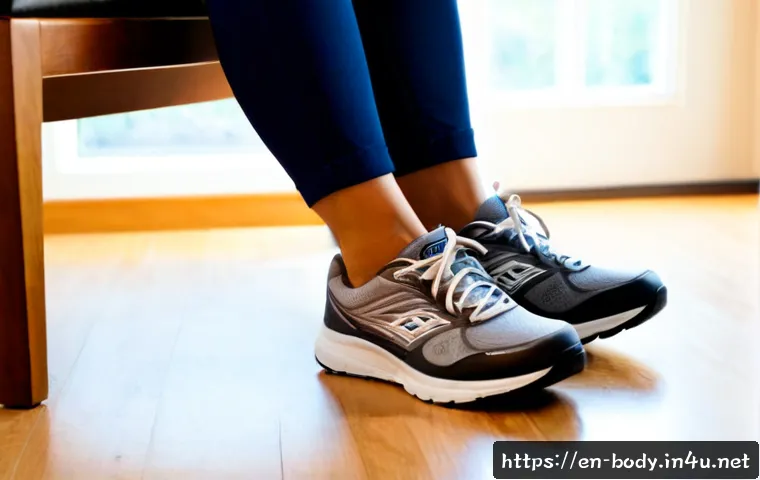
Supportive shoes for sole pain should provide a secure heel, cushioning that suits your walking surface, a stable base, and enough room for your toes.

If the pain is linked to long hours on hard floors, start by comparing cushioned walking or work shoes with removable insoles rather than choosing only by an “orthopedic” label.
The best option depends on where the pressure occurs, how much you stand or walk, and whether your feet swell during the day. A stable walking shoe may suit arch fatigue or inward rolling, while a roomy work shoe with reliable traction can be more practical for long shifts.
Premium footwear can offer useful materials or design features, but fit and return terms matter more than price alone. Persistent, severe, numb, swollen, or injury-related foot pain needs assessment from a qualified clinician.
At a Glance
- Heel pain and hard-floor impact: Look for cushioning paired with a secure, stable heel.
- Arch fatigue or inward rolling: Compare stable shoes with a firm heel counter and supportive platform.
- Changing support needs: Choose shoes with removable insoles so you can test orthotic insoles later.
| Shoe or Support Type | Best For | Key Features to Compare | Trade-Offs | Typical Price Tier |
|---|---|---|---|---|
| Cushioned walking shoes | Long walks, sidewalks, and hard surfaces | Cushioning, heel hold, toe room, stable platform | Very soft cushioning may not feel stable for everyone | Budget to premium |
| Stable walking shoes | Arch fatigue or a foot that rolls inward | Firm heel counter, midsole firmness, torsional stability | May feel less flexible than softer models | Mid-range to premium |
| Supportive work shoes | Standing shifts on tile, concrete, or similar floors | Traction, durability, heel security, removable footbed | Work requirements can limit style and sole options | Budget to premium |
| Supportive insoles | Testing additional arch or underfoot support | Compatibility, volume inside the shoe, arch placement | Can make an already tight shoe feel too small | Budget to mid-range |
The Short Answer: What Supportive Shoes Should Do for Sole Pain
A useful shoe for recurring sole discomfort is not simply the softest one. It should hold the heel securely, provide appropriate cushioning, feel stable under the foot, and leave adequate room at the toes. Plantar heel pain is commonly associated with plantar fasciitis, but pain on the bottom of the foot can have other causes. That is why it is better to match features to your own pressure pattern than to assume one shoe category fits every problem.
Prioritize a Secure Heel, Appropriate Cushioning, Stable Platform, and Enough Toe Room
A firm heel counter can reduce unwanted heel movement inside the shoe. Cushioning may be helpful on hard surfaces, but it should not leave your foot feeling wobbly. Check that the toe box is wide and deep enough for your foot shape, especially if swelling appears after standing or walking.
Match the Shoe to Standing, Walking, Work, Exercise, or Recovery Use
A walking shoe can be a sensible everyday choice for commuting and sidewalks. A work shoe may be the better purchase when traction and durability matter during long shifts. Sandals or house shoes can feel comfortable for light use, but they may not provide the heel security or outsole grip needed for extended walking or work.
When Footwear Alone May Not Be Enough
Shoes can improve comfort, but they cannot identify the cause of pain. Seek qualified clinical assessment for persistent, severe, numb, swollen, or injury-related foot pain.
Compare Shoe Types by Pain Pattern, Daily Use, and Budget
Cushioned Walking Shoes for Hard Sidewalks and Long Walks
Choose this category when impact from hard sidewalks or floors seems to be the main concern. Compare underfoot cushioning with heel stability, not cushioning alone. A pair that feels pleasant for a few minutes can feel different after several hours of walking.
Stable Shoes for Arch Fatigue and Inward Rolling
If your foot feels tired, unstable, or tends to roll inward, look at shoes with a supportive platform, firmer midsole feel, and controlled heel hold. The goal is not a rigid shoe at all costs; it is a shoe that feels steady during your usual stride.
Work Shoes for Long Shifts, Slip Resistance, and All-Day Support
For standing jobs, prioritize outsole grip, heel security, room for your usual socks, and a footbed that can be replaced if it wears out. Check workplace requirements before purchasing. A supportive shoe that does not meet required slip-resistance or safety rules is not a practical value.
Sandals and House Shoes: When They Help and When They Do Not
Supportive sandals or house shoes may be useful for brief home wear when barefoot walking feels uncomfortable. They are less suitable when you need a secure heel, reliable traction, or protection for outdoor walking. Consider the setting before treating them as a replacement for a walking or work shoe.
Typical Price Tiers and What Added Cost May Actually Buy
Budget options can work when fit, traction, and basic support are right. Mid-range and premium options may offer different materials, more durable construction, removable footbeds, or a broader fit range. Higher cost does not confirm better pain relief. Compare return policies, fit options, and the features you will actually use.
Features That Matter More Than “Orthopedic” Labels
Heel Counter, Midsole Firmness, Rocker Shape, and Torsional Stability
An “orthopedic” label does not guarantee a better match. Instead, press around the heel counter, assess whether the platform feels steady, and consider how the shoe resists excessive twisting. Some shoes also use a rocker-shaped sole, which changes how the foot moves through a step; comfort with this shape is individual.
Arch Support: Built-In Support Versus Removable Insoles
Built-in arch support is convenient if its placement feels natural under your foot. A removable insole gives more flexibility: you can replace a worn footbed or test an orthotic insole without replacing the entire shoe. Make sure the shoe still has enough depth once an insole is added.
Toe-Box Width, Depth, Lacing, and Swelling Accommodation
Do not rely on length alone. Check width, depth, and whether lacing can adjust pressure across the top of the foot. A shoe that becomes tight later in the day may be a poor fit even if it felt fine during a quick store try-on.
Outsole Grip and Durability for Work or Outdoor Walking
For outdoor routes or busy shifts, compare traction patterns and outsole wear. A durable outsole may add value when the shoes are used frequently, while a lighter shoe may be more appropriate for shorter, lower-demand use.
How to Test Fit and Avoid Common Buying Mistakes
Try Shoes Later in the Day and Wear the Socks Used Most Often
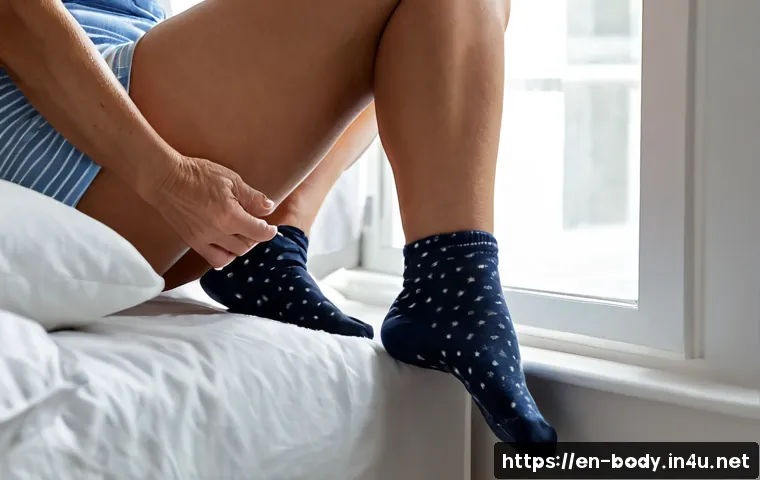
Feet can feel different after daily activity. Try shoes later in the day when possible, and wear the socks you normally use for work or walking. This gives a more realistic impression of toe room and upper pressure.
Check Heel Slip, Toe Clearance, Arch Pressure, and Sidewall Rubbing
Walk indoors and notice whether the heel lifts, the arch feels sharply pressured, the toes touch the front, or the sides of the foot rub. These are fit signals, not details to ignore because a shoe looks supportive.
Avoid Sizing Down for a “Snug” Feel or Choosing Softness Without Stability
A secure fit should not mean cramped toes or painful side pressure. Also avoid assuming maximum softness is always best. For some people, softness without a stable platform can feel less controlled over time.
Use Retailer Return Windows to Test Gradually Indoors When Permitted
Check the retailer’s current return conditions before wearing a new pair outdoors. If indoor testing is permitted, increase wear gradually and compare how the shoes feel during the type of activity you actually do.
Choose by Situation: Standing Jobs, Walking, Exercise, and Home Use
Long Standing Shifts on Concrete or Tile
Start with a work-appropriate shoe that combines cushioning, stable heel hold, traction, and sufficient toe room. If your current shoes have worn footbeds, replacing the shoes or testing compatible insoles may be more useful than adding support to a poorly fitting pair.
Daily Walkers and Commuters
Choose a cushioned walking shoe if hard pavement is the main issue, but confirm that the heel stays centered and the forefoot has room. Daily walking often reveals fit problems that a short fitting does not.
People Transitioning Back to Activity After Foot Discomfort
Use a shoe that feels predictable and comfortable for the activity you are resuming. Increase use gradually rather than expecting a new pair to solve discomfort immediately. Stop and seek assessment if pain is severe, worsening, numb, swollen, or related to an injury.
Wide Feet, High Arches, Flat Feet, and Room for Orthotics
Foot shape changes what “supportive” feels like. Wide feet may need more toe-box width and depth. People planning to use orthotic insoles should prioritize an insole-compatible shoe and check that the added volume does not create pressure across the top or sides of the foot.
Selection Criteria and Comparison Summary
Choose cushioning when hard surfaces and repeated impact are the main concern, while still checking that the shoe feels stable. Choose a stable walking shoe if your foot feels tired, unstable, or rolls inward during your normal stride. Consider an insole-compatible pair if you may want to test orthotic insoles or replace a worn footbed. Choose a work-focused shoe when traction, durability, and workplace requirements are part of the decision. Pay more only when the extra fit options, materials, removable insole, or outsole design serves your daily use. For current fit choices, return terms, and available widths, check the product detail page and retailer policy before buying.
Final Thoughts
The right supportive shoe is the one that matches your foot shape, daily surface, and usual activity while staying comfortable over time. Start with heel security, stable cushioning, toe room, and the option to adjust support if needed. Do not let a marketing label replace a real fit check. If symptoms are persistent or concerning, footwear shopping should not delay professional evaluation.
Useful Things to Know
1. Comfort during a brief fitting does not always predict comfort after a full day.
2. Removable insoles can make supportive shoe comparisons more flexible.
3. A roomy toe box matters when feet swell or when you wear thicker work socks.
4. Traction and durability can be as important as cushioning for work footwear.
Important Notes
This guide cannot determine the cause of sole pain or predict whether a specific shoe model will help an individual. Fit needs vary with foot shape, activity, body weight, walking surface, gait, and workplace rules. Prices, stock, warranties, and return terms vary by retailer and location, so confirm them before purchase.
Frequently Asked Questions
Q1. What type of shoe is best for pain in the bottom of the foot?
A1. There is no single best type for everyone. Cushioned walking shoes may suit hard-surface impact, while stable shoes may be worth comparing when arch fatigue or inward rolling is noticeable. Focus on heel security, a stable platform, toe room, and fit for your daily activity.
Q2. Are expensive supportive shoes worth it for plantar heel pain?
A2. Higher-priced shoes may offer different materials, fit options, removable footbeds, or outsole construction, but price alone does not determine comfort or relief. A well-fitting shoe with the right features and a workable return policy can be better value than a premium pair that does not suit your foot.
Q3. Should I buy supportive shoes or orthotic insoles first?
A3. If your current shoes are worn, unstable, or too tight, replacing them first is often the clearer starting point. Consider an insole-compatible pair if you want the option to test orthotic insoles later. If pain is persistent, severe, numb, swollen, or injury-related, seek qualified clinical assessment rather than relying on either purchase alone.