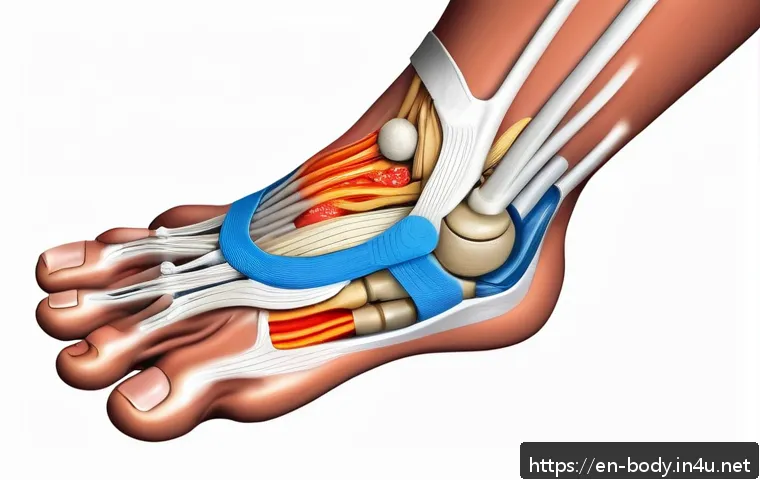
Sole-of-foot pain is often linked to repetitive loading, sudden activity changes, long periods of standing, or shoes that do not provide enough support, but the exact cause cannot be confirmed by location alone.
For mild, non-urgent pain, reducing aggravating activity, using supportive footwear, and returning to activity gradually may be reasonable first steps.
Heel or arch pain with the first steps after rest can fit a common plantar fasciitis pattern, while pain under the ball of the foot may relate to pressure or shoe fit.
Burning, tingling, numbness, severe injury pain, or worsening symptoms deserve professional assessment rather than more self-treatment. A basic shoe or over-the-counter insole change can be a practical lower-cost option for some people, but price alone does not predict results.
If pain affects walking, work, skin condition, or sensation, clinical care may offer better value.
At a Glance
- Urgent symptoms include severe pain after injury, inability to bear weight, spreading redness, fever, a wound, or major swelling.
- For non-urgent pain, consider temporary activity changes, gentle mobility, and more supportive shoes before returning to full loading.
- Persistent burning, numbness, tingling, or recurring pain may need assessment for nerve irritation, footwear issues, or another cause.
| Symptom pattern | Reasonable next step | Useful support to consider | When to seek evaluation |
|---|---|---|---|
| Heel or arch pain with first steps after rest | Reduce aggravating activity and restart loading gradually | Supportive footwear or an over-the-counter insole | If symptoms persist, worsen, or limit normal walking |
| Pain under the ball of the foot during standing or walking | Review shoe fit and reduce pressure-provoking activity | Well-fitting shoes and cushioning or support options | If pain is persistent, swelling develops, or walking becomes difficult |
| Burning, tingling, numbness, or radiating pain | Avoid simply pushing through symptoms | Footwear review may help, but assessment is important if symptoms continue | Promptly if symptoms are worsening or sensation is reduced |
| Severe pain after injury, wound, fever, redness, or major swelling | Seek timely medical attention | Do not rely on insoles or home care alone | Now or as soon as possible |
What Sole-of-Foot Pain May Mean—and When Not to Wait
Quick Answer: Common Patterns and Safe First Actions
The bottom of the foot absorbs repeated force during walking, standing, exercise, and work. Pain can develop after a sudden increase in activity, prolonged standing, repetitive loading, or time spent in shoes with limited support. Plantar fasciitis is a common cause of heel and arch pain, especially when discomfort is strongest with the first steps after resting.
If pain is mild and there are no warning signs, a sensible first approach is to step back from the activity that clearly aggravates it, use comfortable supportive shoes, and return to loading gradually. Gentle mobility work may be useful for some people, but it should not create sharp or increasing pain. Pain location can offer clues, but it cannot diagnose the problem on its own.
Red Flags That Need Urgent or Prompt Medical Attention
Do not wait for a shoe change or an insole purchase if there is severe pain after an injury, inability to bear weight, major swelling, spreading redness, fever, or a wound. These signs need timely medical attention. Persistent or worsening numbness, tingling, burning, or pain that radiates can also suggest nerve involvement and should be assessed.
People with diabetes, poor circulation, reduced sensation, or a history of foot ulcers should seek professional advice promptly for new foot pain or skin changes. A small skin problem may be harder to notice when sensation is reduced, so checking the sole of the foot matters.
Match the Pain Pattern to the Most Likely Next Step
Heel or Arch Pain After Getting Out of Bed
Heel or arch pain that is noticeable with the first steps after rest is a pattern often associated with plantar fasciitis. Repetitive loading, abrupt activity increases, standing for long periods, and unsupportive footwear can all contribute. That does not mean every case is plantar fasciitis, but it does make load management and shoe support reasonable areas to review.
Consider whether your walking, running, gym training, or work schedule changed recently. Instead of trying to “walk it off,” reduce the activity that triggers pain and build back gradually. Supportive everyday footwear or a basic over-the-counter orthotic insole may be worth trying when the fit is comfortable and there are no red flags.
Ball-of-Foot Pain During Walking or Standing
Pain beneath the forefoot may be linked to pressure overload, shoe fit, calluses, or irritation around the metatarsal area. Shoes that feel cramped, unstable, overly worn, or poorly matched to the task can make pressure-related discomfort more noticeable. Long periods on hard floors can add to the problem.
Start with the basics: check whether there is enough room in the shoe, whether the shoe feels stable, and whether pain rises during a particular activity. A cushioning or supportive insole can be a practical option, but it should fit the shoe without making the foot feel compressed. If the pain continues despite these changes, an assessment can help determine whether further treatment is appropriate.
Burning, Tingling, Numbness, or Pain After an Injury
Burning, tingling, numbness, or radiating pain should not be treated as a routine soreness pattern, especially when it persists or worsens. These symptoms can suggest nerve involvement. A footwear change may reduce irritation in some cases, but it does not replace an assessment when sensation changes are ongoing.
After an injury, severe pain or an inability to bear weight needs timely care. Even when pain is less severe, do not assume that a specific shoe, brace, or orthotic insole will solve the problem. The appropriate treatment and any need for imaging depend on symptoms, medical history, activity level, and an examination.
Compare Relief Options: Home Care, Footwear Support, and Professional Treatment
Activity Changes, Cold Therapy, and Gentle Mobility
For non-urgent symptoms, resting from the activity that aggravates the foot can be more useful than stopping all movement indefinitely. The goal is to avoid repeatedly provoking pain while allowing a gradual return to loading. Cold therapy and gentle mobility work may help some people feel more comfortable.
Avoid forcing a stretch through sharp pain or using a hard workout to test whether the problem has disappeared. If walking pain is increasing rather than settling, scale back and reconsider the next step. Home care is most appropriate when symptoms are mild, stable, and free from warning signs.
How to Assess Supportive Shoes and Over-the-Counter Insoles
Supportive footwear does not need to be the most expensive option to be worth trying. Focus on practical fit and function: adequate room, a stable feel, comfort during normal walking, and support that does not increase pressure or numbness. A shoe that looks athletic or fashionable is not automatically the right choice for a painful foot.
Over-the-counter insoles can be a reasonable lower-cost trial when symptoms appear connected to standing, repetitive activity, or limited shoe support. Check that the insole lies flat, does not crowd the shoe, and does not create a new pressure point. Product effectiveness varies, and a higher price does not guarantee pain relief. Review the product’s sizing, return conditions, and intended use before paying.
When Physical Therapy, Podiatry, or Primary Care May Offer Better Value
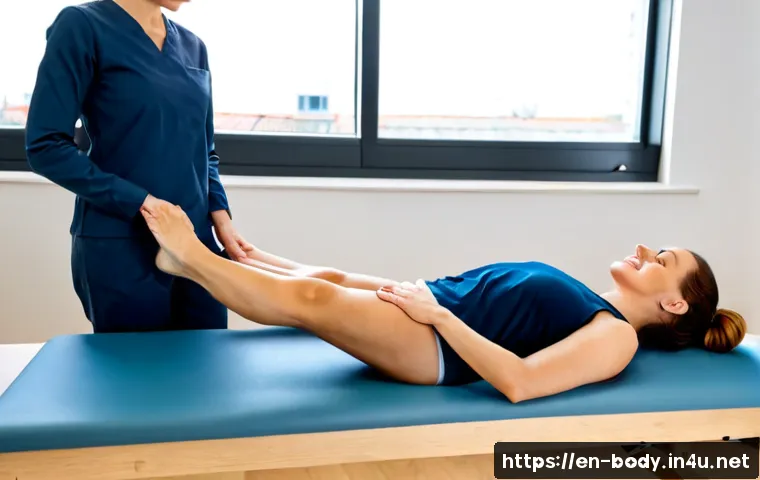
Professional care can be more valuable than repeated product changes when pain is persistent, recurring, limiting work or exercise, or accompanied by altered sensation. A physical therapy assessment may help with gradual loading and movement planning. A podiatry or primary care visit may be useful when the cause is unclear, symptoms are not improving, or a clinician needs to examine the foot and skin.
Think of specialized care as a way to clarify the next step, not as a guaranteed shortcut. The best treatment and recovery time vary with the underlying issue, medical history, and examination findings.
Common Mistakes That Can Prolong Recovery
Continuing High-Impact Activity Through Worsening Pain
A common mistake is continuing running, jumping, long walks, or demanding gym sessions while the sole-of-foot pain is clearly getting worse. Sudden activity increases can contribute to symptoms, and repeatedly loading a painful area may make it harder to judge whether a plan is helping. A gradual return is usually more sensible than an all-or-nothing approach.
Replacing Shoes Based on Price or Appearance Alone
It is easy to assume that a premium shoe or expensive orthotic insole must provide better relief. That is not a reliable rule. Prioritize comfortable fit, stable support, and suitability for your daily activity. If a product causes pinching, increased pain, tingling, or numbness, it is not a good match simply because it costs more.

Ignoring Skin Changes, Loss of Sensation, or Persistent Swelling
Skin changes, wounds, persistent swelling, and reduced sensation need attention. This is especially important for people with diabetes, circulation concerns, reduced feeling in the feet, or a history of ulcers. Do not cover up a concerning symptom with a new insole and wait to see what happens.
Practical Guidance for Work, Exercise, and Daily Standing
Long Shifts on Hard Floors
Long standing shifts can increase repetitive loading through the heel, arch, and forefoot. If pain is non-urgent, review whether your work shoes still fit well and provide stable support. A supportive shoe or properly fitting over-the-counter insole may be a reasonable first change, alongside short opportunities to reduce continuous standing when possible.
If symptoms regularly interfere with work, it may be more useful to seek clinical guidance than to keep cycling through footwear purchases. Bring the shoes you wear most often to an appointment if you want help discussing fit and support.
Returning to Running, Walking Programs, or Gym Training
Return gradually after symptoms settle rather than jumping back to the previous level immediately. Watch for a clear increase in pain during or after activity. If the foot does not tolerate the new level, reduce the load and reassess rather than forcing progress.
For walking programs and gym training, consider whether a recent increase in distance, frequency, intensity, or standing time occurred before pain began. This pattern can be more useful than guessing the diagnosis from one painful spot.
Extra Precautions for Diabetes or Circulation Concerns
If you have diabetes, poor circulation, reduced sensation, or a history of foot ulcers, new pain, redness, skin changes, or wounds deserve prompt professional advice. Check the bottom of the foot rather than relying only on what you can feel. A footwear or insole decision should not delay evaluation when there is a skin or sensation concern.
Choosing Shoes, Insoles, or Clinical Care: A Decision-Stage Comparison
When a Footwear Change May Be Enough to Try First
A footwear change may be reasonable to try first when pain is mild, there are no red flags, symptoms appear connected to prolonged standing or a recent activity change, and the current shoes are clearly unsupportive or poorly fitting. Choose based on fit, stability, comfort, and enough room, not brand reputation or price alone.
When an Insole Fitting or Physical Therapy Assessment May Be Reasonable
An over-the-counter insole may be worth considering when shoe support seems limited and the foot has enough room for it. A physical therapy assessment may be more useful when pain returns with activity, the transition back to exercise is unclear, or self-care has not produced a clear improvement. Persistent symptoms or symptoms that affect daily walking can justify a podiatry or primary care evaluation.
Questions to Ask Before Paying for Specialized Treatment
Before choosing specialized treatment, ask what problem is being assessed, what examination or follow-up is included, and what signs would change the treatment plan. Ask whether there are lower-cost options to try first and whether your symptoms suggest a reason not to delay evaluation. No shoe, insole, or therapy plan can guarantee a specific outcome without knowing the cause.
Selection Criteria and Comparison Summary
Use these checks before deciding: Are there urgent warning signs? Is the pain improving, stable, or worsening? Does it appear related to shoe fit, standing time, or a sudden activity increase? Is there burning, numbness, skin change, or swelling? Does the pain limit normal walking or work? For shoes or orthotic insoles, review fit, support, sizing, and return conditions on the relevant product page before purchasing.
In Closing
Sole-of-foot pain often responds best to careful observation rather than a quick guess. Mild, non-urgent symptoms may justify temporary activity changes and a practical review of supportive footwear. Persistent pain, changes in sensation, skin concerns, or trouble bearing weight shift the balance toward professional assessment. The goal is not to buy the most expensive solution, but to choose the next step that fits the symptoms safely.
Useful Things to Know
First-step heel or arch pain can fit a plantar fasciitis pattern, but it is not a diagnosis by itself.
Forefoot pain may be influenced by pressure, calluses, or shoe fit.
Burning or tingling deserves more caution than ordinary activity-related soreness.
Gradual loading is generally more sensible than abrupt return to high-impact activity.
Important Notes
This information is general education and does not replace an evaluation by a qualified healthcare professional. The cause of foot pain, appropriate treatment, recovery time, and need for imaging depend on your symptoms, health history, activity level, and examination findings. Seek timely medical attention for severe injury pain, inability to bear weight, spreading redness, fever, wounds, major swelling, or concerning changes in sensation.
Frequently Asked Questions
Q1. How do I know whether sole-of-foot pain is plantar fasciitis or something else?
A1. Heel or arch pain with the first steps after rest is commonly associated with plantar fasciitis, but pain location alone cannot confirm the cause. Recent activity changes, standing demands, shoe support, swelling, skin changes, and nerve-type symptoms all matter. Persistent or unclear symptoms should be assessed by a qualified clinician.
Q2. Are expensive orthotic insoles worth buying for foot pain?
A2. A higher price does not guarantee that an orthotic insole will resolve foot pain. A lower-cost over-the-counter insole may be reasonable for mild, non-urgent symptoms when it fits comfortably in a supportive shoe and does not add pressure. If pain persists, worsens, or includes numbness or burning, assessment may be more valuable than trying progressively more expensive products.
Q3. When should I see a doctor or podiatrist for pain on the bottom of my foot?
A3. Seek timely care for severe pain after injury, inability to bear weight, major swelling, spreading redness, fever, or a wound. Arrange professional advice promptly for persistent or worsening tingling, burning, numbness, or radiating pain. If you have diabetes, poor circulation, reduced sensation, or a history of foot ulcers, seek advice promptly for new pain or skin changes.